






The Rise of Homegrown
The allure of fresh, home-grown fruit is no longer confined to those with sprawling country estates. A growing number of individuals are discovering the
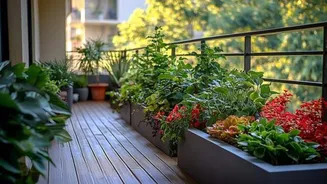
joy of picking their own produce right from their modest backyards or even patios. This surge in home gardening, particularly among younger generations, is driven by more than just aesthetics. Research indicates that engaging in gardening activities significantly boosts the consumption of fruits and vegetables, encourages physical activity, and is strongly linked to improved mental well-being, including reduced stress and enhanced mood. The simple act of being close to nature while tending to plants offers profound benefits. Furthermore, studies comparing community gardeners with non-gardeners reveal that those involved in growing their own food consume substantially more vegetables. Motivations cited include the superior taste of homegrown produce, a sense of pride and self-sufficiency, and the sheer pleasure derived from eating food they nurtured themselves. Cultivating fruit is transforming from a niche hobby into a practical, fulfilling investment in one's living space and overall lifestyle.
Dwarf Apple Charm
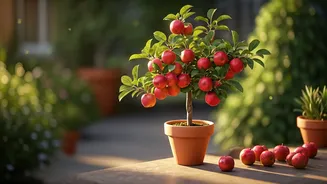
The classic apple tree now fits comfortably into smaller landscapes. Dwarf apple varieties typically reach a maximum height of about 10 feet, making them exceptionally well-suited for compact yards or even large containers. For those seeking ultimate space efficiency, columnar varieties exist, boasting a narrow profile that allows them to be positioned close to fences while still yielding full-sized apples. A key consideration for a bountiful harvest is cross-pollination; apple trees generally require at least two different varieties planted in proximity to ensure fruit production. If you're looking for apple trees with character and versatility, consider varieties like Cox Orange Pippin or Orleans Reinette, which are excellent choices for baking pies, making cider, or preparing homemade applesauce.
Fig's Easy Embrace
For those residing in warmer climates such as California, Texas, or the Southeastern United States, a dwarf fig tree is an outstanding choice. These trees are remarkably resilient, demonstrating resistance to drought and most common pests, and they are self-pollinating, minimizing the need for extensive pruning. Varieties like 'Black Jack' and 'Violette de Bordeaux' are perfectly sized for limited spaces, while the 'Brown Turkey' can also serve as a functional and attractive shade provider. Their ease of cultivation and attractive foliage make them a visually appealing and productive addition to any garden setting where the climate is suitable.
Meyer Lemon's Patio Power
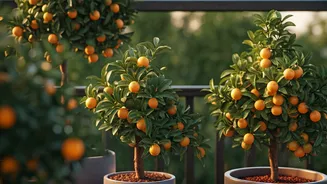
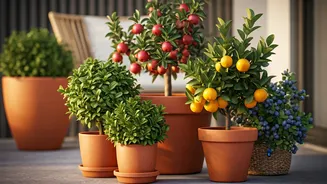
Even without a traditional yard, the Meyer lemon tree is an ideal candidate for cultivation. It thrives in containers and can be conveniently placed on patios, porches, or balconies, offering the flexibility to be brought indoors during colder weather. This variety is renowned for its fragrant blossoms and consistent fruit production, providing a highly satisfying experience for growers seeking tangible results without extensive land requirements. The Meyer lemon is a versatile and rewarding choice for urban dwellers or those with minimal outdoor space, delivering both aromatic beauty and edible citrus.
Cherry's Compact Delight
Dwarf cherry trees offer a surprisingly manageable and highly rewarding fruiting experience. Growing to approximately 8 feet tall, they allow for easy harvesting of cherries within arm's reach without dominating your available space. Sour cherry varieties, such as 'Montmorency', are naturally more compact and are particularly well-suited for smaller garden plots. A common challenge, however, is protecting the ripening fruit from birds before you can enjoy the harvest yourself. Their manageable size and attractive spring blossoms make them a charming addition to smaller gardens.
Plum's Dual Appeal
The dwarf plum tree offers exceptional value, providing beauty and fruit in equal measure. In the spring, it graces the landscape with a delicate display of pale pink blossoms, and in the autumn, its foliage transforms into a rich tapestry of warm gold and amber hues, making it one of the more decorative options available. Beyond its ornamental appeal, it reliably produces fruit. Its upright and tidy growth habit makes it an ideal candidate for narrow garden spaces or along fence lines. European varieties like 'Jefferson' and 'Italian Plum' are known for their naturally compact growth and intensely sweet fruit. For those who prefer Asian plum varieties, the 'Weeping Santa Rosa' is a good choice, as it is easy to shape and train without becoming overgrown in a small area.
Peach & Nectarine Possibilities
While often underestimated for small spaces, peach and nectarine trees can be excellent choices for compact gardens. Their naturally compact growth habit allows them to be effectively managed with diligent pruning. A significant advantage is that they are self-pollinating, meaning you only need to plant one tree to achieve a harvest. The 'Snow Queen' nectarine is particularly noteworthy for its balanced sweet and tart flavor profile, making it a desirable addition to any small orchard looking for a fruit with a complex taste.
Mulberry's Forgiving Nature
For individuals who may doubt their gardening prowess, the dwarf everbearing mulberry tree is an excellent starting point. This variety is characterized by its rapid growth, self-fertility, and remarkable tolerance for common beginner mistakes, making it exceptionally forgiving. While it can produce a bit of mess, especially around patios or concrete areas, careful placement can mitigate this issue. In terms of sheer ease of cultivation and low maintenance, the dwarf mulberry stands out as one of the most straightforward options on this list for anyone looking to grow fruit with minimal fuss.
Pear's Elegant Structure
The dwarf pear tree presents an elegant, naturally pyramidal form that requires minimal intervention to maintain its tidy appearance. Uniquely among many fruit trees suitable for small spaces, dwarf pears exhibit a tolerance for heavier clay soils, expanding their suitability for different garden conditions. The 'Seckel' variety, while small in stature, delivers intensely concentrated flavor. Both the 'Duchess d'Angouleme' and 'Warren' are also reliable, low-maintenance cultivars that consistently produce excellent fruit, making them dependable choices for any home gardener seeking a robust and flavorful pear.
Pomegranate's Patio Sparkle
For those working with extremely limited space, often referred to as micro-spaces, the dwarf pomegranate is a truly remarkable option. These trees typically grow to a manageable height of only 3 to 6 feet, making them ideal for small containers or tight garden spots. They are highly tolerant of drought conditions once established and are genuinely ornamental, producing stunning, vivid orange-red blooms that add a vibrant splash of color to any patio or balcony setting. Their unique combination of size, resilience, and aesthetic appeal makes them a standout choice for maximizing beauty and bounty in minimal areas.