







Camel: Desert Navigator
The camel, famously known as the 'ship of the desert,' is a quintessential survivor of extreme heat. Its iconic hump is not for water storage, but rather
for fat reserves, which are metabolically converted into energy and water when food is scarce. This remarkable creature can endure prolonged periods without drinking, tolerating significant dehydration. Furthermore, specialized features like thick, double rows of eyelashes and nostrils that can be completely closed offer crucial protection against blinding sandstorms and the relentless desert winds, allowing it to traverse arid landscapes with ease and efficiency.
Fennec Fox: Sahara's Cooling Ear
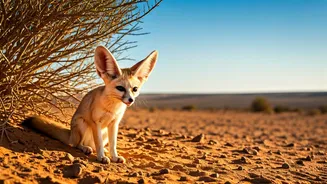
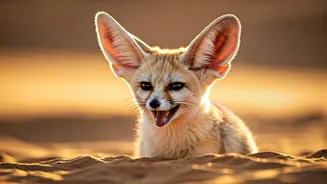
Dwelling in the vast Sahara Desert, the fennec fox captivates with its extraordinarily large ears. These prominent appendages serve a vital thermoregulatory function, acting as radiators to dissipate excess body heat and maintain a stable internal temperature. Its pale fur provides excellent camouflage against the sandy backdrop and effectively reflects the intense solar rays during the day, while also offering warmth during the chilly desert nights. Predominantly nocturnal, the fennec fox conserves energy by sleeping through the hottest parts of the day and emerges after sunset to hunt, avoiding the peak temperatures that would otherwise be overwhelming.
Kangaroo Rat: Water Wizard
Found in the arid environments of North America, the kangaroo rat exhibits an astonishing ability to survive without ever needing to drink water directly. This tiny rodent derives all its necessary moisture from the seeds and plants it consumes. Its physiological adaptations include incredibly efficient kidneys that are masterful at reabsorbing water, minimizing excretion and conserving every precious drop. To escape the daytime heat, it retreats to its underground burrows, emerging only during the cooler hours of the night to forage for food, showcasing a perfectly adapted nocturnal lifestyle.
Ostrich: Savanna Heat Runner
Africa's majestic ostrich, the planet's largest bird, thrives in the challenging heat of savannas and dry open lands. Its long, powerful legs are instrumental in covering vast distances in search of sustenance and water sources, all while managing energy expenditure efficiently. The ostrich's unique plumage plays a crucial role in temperature regulation; the feathers create a layer of insulating air close to the skin, helping to keep the bird cool during the day and warm during colder periods. This combination of physical attributes and behavioural patterns allows it to flourish in its hot habitat.
Desert Tortoise: Burrowing Survivor
The desert tortoise exemplifies a strategy of slow, deliberate survival in harsh arid regions. Its primary method of combating extreme heat is by spending the majority of its life within subterranean burrows, where the ambient temperature remains significantly cooler than the surface. This reptile possesses the remarkable ability to store water within its body, enabling it to endure extended periods without access to fresh water sources. During the most intense heatwaves, it conserves energy and minimizes water loss by drastically reducing its activity, demonstrating an exceptional capacity for resilience.
Meerkat: Cool Colony Life
These highly social animals, known for their vigilant upright posture, are perfectly suited to the hot, dry landscapes of southern Africa. Meerkats construct intricate underground burrow systems that offer a refuge from the intense surface temperatures, providing a consistently cool environment. Their distinctive dark patches around the eyes function as natural 'sunglasses,' significantly reducing glare from the bright sun and enhancing their ability to spot predators or prey from afar. This adaptation is crucial for their survival in their sun-drenched environment.
Thorny Devil: Moisture Collector
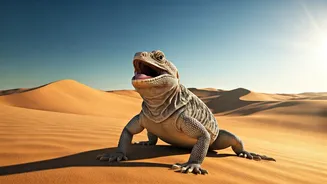
Australia's thorny devil is a truly unique reptile, ingeniously adapted to survive in some of the planet's most unforgiving desert terrains. Its spiny exterior is not just for defense; it plays a critical role in moisture acquisition. The intricate structure of its skin allows it to channel even the slightest amounts of dew or infrequent rainfall directly to its mouth. This remarkable capillary action ensures the lizard can absorb enough moisture to sustain itself in regions where water is exceptionally scarce, highlighting an extraordinary evolutionary solution.
Elephant: Gentle Giant's Cool
African elephants, despite their massive size, possess impressive mechanisms for managing intense heat. Their enormous ears are highly vascularized, serving as natural radiators that effectively dissipate excess body heat into the surrounding air. To further regulate their temperature, elephants engage in frequent mud baths and dust showers, which create a cooling layer on their skin. They also make regular visits to water sources for drinking and bathing. Their activity patterns shift with the weather, becoming more energetic during the cooler dawn and dusk hours.