




The Unsolicited Arrival
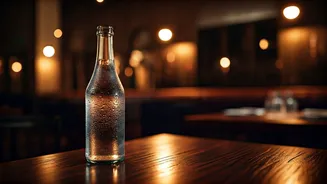
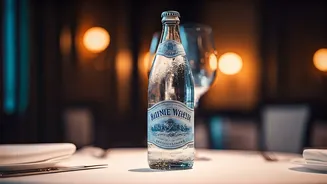
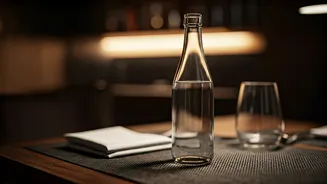
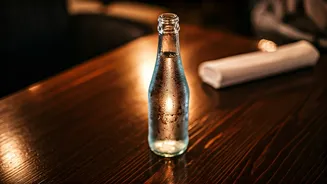
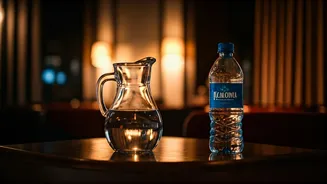
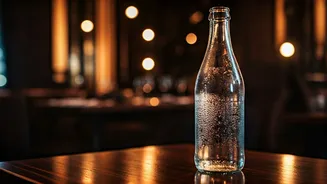
A prevalent custom in many dining establishments involves the immediate placement of a bottled water carafe on the table the moment guests are seated.
This seemingly minor detail has sparked online discussion, prompting many to question the underlying reasons. What was once a humble offering of basic mineral water, often priced around Rs 15, has, according to observations, evolved into a default presentation of more expensive options, frequently costing Rs 60 or featuring premium brands like Vedica or Himalayan. This shift in practice means customers are presented with a higher-priced product right from the outset, before any active choice is made.
Subtle Influence Tactics
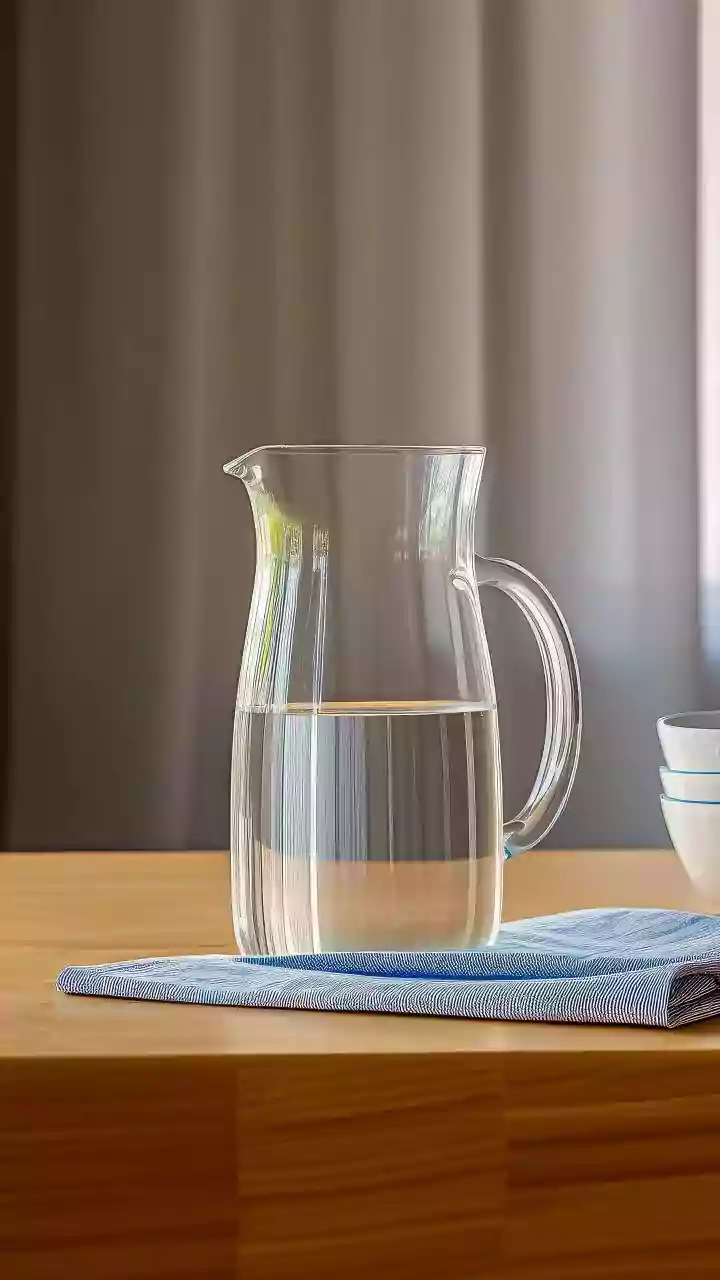
The explanation behind this widespread practice points to a subtle psychological nudge. When an item is already present on the table, it often becomes perceived as the default selection. Declining this pre-placed item requires conscious effort and can sometimes feel awkward for patrons, leading them to simply accept what's offered. This bypasses the opportunity for a direct conversation about preferences, such as offering a choice between regular RO-purified water or bottled varieties. The argument suggests that an explicit question would foster awareness, potentially leading to reduced spending. Instead, the silent placement of the bottle effectively makes the decision for the customer, circumventing a conscious choice and potentially increasing the bill without direct customer initiation.
Divergent Public Views
The online discourse surrounding this practice revealed a spectrum of opinions. Some commenters argued that customers possess the autonomy to refuse the bottled water, viewing its presence as a straightforward upselling strategy by the restaurant, with no obligation for the diner to purchase it. Others voiced concerns, particularly for unsuspecting tourists, highlighting how businesses might leverage this method to charge for unsolicited items. Anecdotal evidence emerged of diners asserting their preferences, with some stating they directly request a switch to RO water. A prevailing sentiment was that patrons often don't recognize their thirst until the bottle is presented, framing it as a clever revenue-generating tactic for establishments.