




Lanolin: Sheep's Wool Wonder
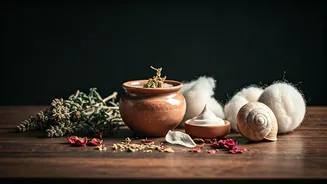
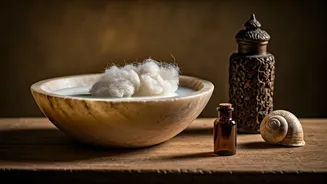
Before advanced moisturizers, the Romans ingeniously utilized lanolin, a substance extracted from sheep's wool. This rich emollient was applied as a night
treatment, forming a protective barrier that significantly enhanced skin hydration and suppleness. While its distinct aroma was not for everyone, lanolin's efficacy in locking in moisture and fortifying the skin's natural defenses was unparalleled. Today, this potent ingredient continues to be a valuable component in formulations for lip balms and intensive skin creams, testament to its enduring benefits for maintaining soft, protected, and healthy skin.
Cleopatra's Milk Baths
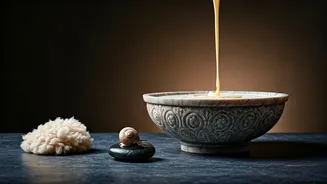
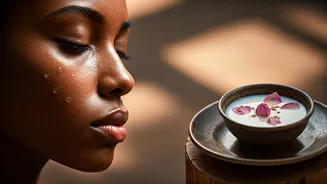
The legendary Queen Cleopatra of Egypt was renowned for her luxurious bathing practices, opting for fresh milk over water. This ancient ritual aimed to bestow upon her skin a remarkable softness, smoothness, and a luminous glow. Milk's secret lies in its natural lactic acid content, a gentle yet effective exfoliant that sloughs away dull, dead skin cells. By regularly indulging in milk baths, Cleopatra would have revealed a fresher, more radiant complexion over time, a beauty secret rooted in the gentle exfoliating power of dairy.
Snail Slime Facials
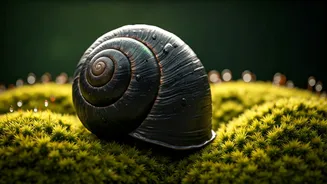
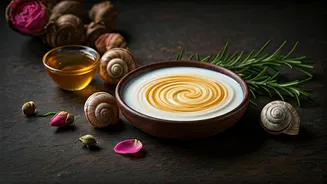
While modern skincare has embraced snail mucin in sophisticated serums, ancient civilizations applied it in a far more direct manner. Women in the past would allow snails to freely traverse their faces, allowing the mucus to work its magic. This remarkable secretion is packed with beneficial compounds like peptides, potent antioxidants, and hyaluronic acid. These elements are crucial for repairing the skin's natural barrier, delivering profound hydration, and offering significant anti-aging advantages, making it a centuries-old secret to youthful skin.
Honey: Nature's Healer
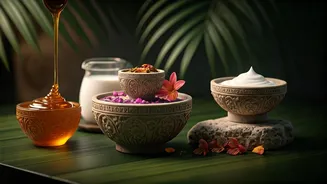
With a history of use stretching back over 15,000 years, honey was a revered ingredient in ancient beauty regimens. Applied directly to the skin, it was celebrated for its remarkable moisturizing, healing, and antibacterial properties, contributing to calmer, clearer, and more hydrated complexions. Beyond its cosmetic uses, honey was also applied to wounds for its potent healing capabilities, despite its sticky nature sometimes making removal challenging. Its powerful antimicrobial action made it an exceptional agent for aiding recovery and preventing infection.
Unconventional Animal Ingredients
The pursuit of beauty in ancient times sometimes led to the incorporation of less conventional animal-derived ingredients, including excrement. Various cultures utilized substances such as crocodile and cow dung, alongside goat and camel milk, for their purported nourishing and exfoliating effects on the skin. While many of these practices have thankfully fallen out of favor, the legacy of animal-derived ingredients persists through the continued use of honey and milk in contemporary skincare, offering a more palatable and refined approach to these age-old remedies.