






The Hidden Ice Danger
With the mercury rising, reaching for an ice-cold drink is a natural instinct to find relief from the summer heat. However, these seemingly innocent thirst
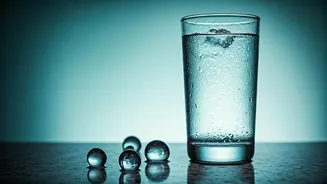
quenchers can harbor unseen dangers if the water used to freeze them isn't properly purified. Harmful bacteria and viruses can easily find their way into your drink, leading to unwelcome infections. The primary culprit often lies in ice cubes made from untreated water; when these microorganisms are consumed, they can become active and cause illness. It's a subtle threat that can turn a refreshing moment into a health concern, especially when you're consuming multiple iced beverages throughout the day.
Storage and Handling Matters
Beyond the initial water source, the journey of ice from freezer to your glass is critical for safety. Inadequate storage and improper handling can significantly compromise the purity of ice cubes. If ice isn't kept in clean, sealed containers, it becomes an easy target for airborne contaminants or bacteria from surrounding surfaces. Furthermore, when ice is directly scooped or handled with unclean hands before being added to beverages, the risk of transferring pathogens increases dramatically. These seemingly minor details in storage and handling practices play a vital role in ensuring that your chilled drinks remain a safe and enjoyable part of your summer routine.
Simple Steps to Safety
Fortunately, safeguarding yourself from contaminated ice is straightforward. The most crucial step is to always use purified or boiled and cooled water when making ice at home. This eliminates the risk of initial microbial contamination. For storing ice, ensure you use clean, lidded containers that prevent any external pollutants from entering. When purchasing bottled drinks, make it a habit to keep the bottles sealed after opening to maintain their hygiene. Finally, practicing good hand hygiene, especially when handling ice for your drinks, is paramount. Washing your hands thoroughly before and after handling ice can prevent the transfer of germs, ensuring your summer beverages are as safe as they are refreshing.