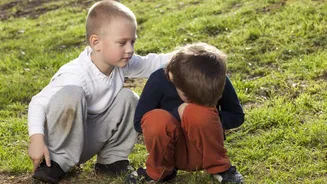







Model Empathy Daily
Children learn by observing their parents; therefore, modeling empathy is the cornerstone of raising kind kids. When your child sees you acknowledging
and validating others' feelings, they learn how to do the same. This involves expressing sympathy for someone’s sadness, celebrating their joys, and actively listening to their concerns. Share your own emotional experiences and how you manage them. Discussing scenarios where you or someone else experienced a range of feelings helps them understand and process similar situations. When you react with understanding towards others' emotions, you equip your children with the tools they need to navigate social interactions with compassion and build strong, healthy relationships. It is also important to admit your own mistakes and apologize when necessary, demonstrating that everyone is prone to error and showing children the value of taking responsibility for their actions.
Teach Respect Actively
Respect goes far beyond just saying 'please' and 'thank you'. It encompasses valuing the feelings, thoughts, and boundaries of others. Teach your children to respect different cultures, opinions, and backgrounds by exposing them to diverse experiences. Encourage your child to see the world from different perspectives. Actively listen to their ideas, even if you disagree. When you encounter disagreement, guide them on how to communicate respectfully and constructively. Explain why certain behaviors are unacceptable, such as interrupting, name-calling, or making fun of others. Provide ample opportunities for them to practice respectful interactions, whether it's by taking turns during games or considering how their actions might affect those around them. This fosters an atmosphere of understanding, allowing them to comprehend and value the dignity of every individual and build meaningful connections based on mutual respect.
Foster Open Communication
Create an environment where your child feels safe discussing their emotions and experiences. Listen to their concerns without judgment, creating a space where they know their feelings are valid. Encourage them to share both positive and negative experiences, helping them to navigate challenges constructively. Regular conversations provide opportunities to discuss how their actions affect others and to explore strategies for resolving conflicts peacefully. Avoid dismissing their feelings; instead, help them develop emotional literacy by naming and identifying different emotions. Teach them to express themselves clearly and assertively, while also respecting the viewpoints of others. Encourage sharing feelings by asking open-ended questions. This facilitates deeper conversations and demonstrates that you care about their thoughts and feelings. Establishing open communication strengthens your bond and allows you to guide them in developing strong social and emotional skills.
Promote Acts of Kindness
Kindness is a skill that flourishes with practice. Regularly incorporate opportunities for your child to do good deeds, reinforcing the positive impact of helping others. These acts don't need to be grand gestures; small kindnesses can have a big impact. Volunteering at a local charity, helping a neighbor with chores, or simply sharing toys with a friend are examples. Discuss the feelings associated with helping others and the importance of empathy. Praise their efforts and highlight the positive consequences of their actions. Make kindness a daily habit, and it will become a natural part of their personality. When they see the joy they bring to others, they will want to continue those positive behaviors, fostering a lifelong commitment to compassion and consideration for others. This habit will also provide a sense of belonging and community, essential for their overall well-being.
Set Clear Expectations
Establish firm boundaries and consistent expectations regarding behavior. Clear guidelines help children understand what is acceptable and what is not. When expectations are unclear, children may experience confusion and anxiety. Set rules that emphasize fairness and respect, such as sharing, taking turns, and refraining from bullying. Consistently enforce these rules to teach accountability for their actions. Explain the reasons behind your expectations. This allows children to understand the logic and importance of the rules. For example, explain why sharing is important or how using kind words prevents hurting someone’s feelings. The clarity and consistency in expectations help children learn to control their impulses, make responsible decisions, and understand the consequences of their actions. These frameworks cultivate a strong sense of responsibility and self-control.
Encourage Problem Solving
Equipping your child with problem-solving skills is essential for promoting kindness. Guide them through conflict resolution by providing them with the tools to resolve conflicts peacefully. Instead of stepping in to solve every problem for them, guide them in developing their own solutions. Encourage them to brainstorm possible solutions, evaluate the pros and cons of each, and consider the impact of their choices on others. Teach them how to communicate their needs and feelings assertively without resorting to aggression. Help them recognize and understand the perspectives of others involved in the conflict. This not only builds their emotional intelligence but also helps them develop empathy. By providing them with these problem-solving skills, you empower them to navigate challenges with grace and compassion, ensuring they are well-equipped to manage interpersonal situations throughout their lives.
Praise Effort, Not Perfection
Focusing on effort and perseverance is more effective than praising perfect outcomes. Encourage your child to see failures as learning opportunities and to value the process of trying, even if they don't achieve the desired result right away. Recognize their dedication, determination, and resilience. This teaches them to develop a growth mindset. Avoid using excessive praise. Instead of saying, “You are so smart,” try, “I saw how hard you worked on that and you didn't give up.” When children feel valued for their efforts, they are more likely to persevere through challenges and develop a strong sense of self-worth. It encourages them to take risks, learn from their mistakes, and embrace challenges with a positive attitude. This approach fosters a mindset that embraces learning, growth, and continuous improvement, and the ability to view mistakes as opportunities to gain knowledge and develop resilience.