




Assam's Natural Haven
Nestled near the renowned Kaziranga National Park, Medini Homestay in Assam exemplifies sustainable tourism. This retreat thoughtfully incorporates natural
building materials, harnesses solar energy for its power needs, and serves guests with locally sourced organic produce. Visitors have the opportunity to immerse themselves in the rich tapestry of Assamese culture, learning about intricate weaving traditions and the ethical practices behind cruelty-free silk production. It's a place where one can truly connect with the environment and the heritage of the region, offering a peaceful and educational escape from the everyday hustle.
Uttarakhand's Riverside Serenity
Aashraya on the Ganga, located a significant distance from the bustling town of Rishikesh, presents a tranquil, solar-powered sanctuary surrounded by an impressive expanse of 1,000 trees. This eco-conscious establishment has implemented a highly efficient system for managing organic waste, achieving composting within a mere five days. Furthermore, the retreat meticulously recycles its water, which is then utilized to nourish the vibrant and lush gardens that flourish along the banks of the sacred Ganga river. It’s a testament to harmonizing human habitation with the natural flow of the environment.
Maharashtra's Green Retreat
In the picturesque locale of Panchgani, Maharashtra, Avabodha stands out as a homestay managed by a dedicated mother-daughter team. Their ethos is deeply rooted in sustainable practices, prominently featuring the use of solar power for energy needs and a sophisticated rainwater harvesting system to conserve water. The property also engages in organic farming, providing a connection to the land and its bounty. Guests here are treated to breathtaking river views, spectacular sunsets, and the serene experience of peaceful walks along the Krishna riverside, fostering a sense of calm and well-being.
Nilgiris Plantation Charm
O’land Plantation Stay, spread across a sprawling 120 acres in the serene Nilgiri hills of Tamil Nadu, masterfully blends old-world colonial charm with modern sustainability principles. The estate is equipped with solar panels to generate clean energy and utilizes Compressed Stabilized Earth Blocks (CSEB) for construction, minimizing its environmental footprint. Visitors can indulge in delightful tea tastings and, with a bit of luck, witness captivating wildlife sightings, making for a rich and immersive experience that respects the natural beauty of the region.
Kanyakumari's Heritage Mudhouse
Muthunandhini Palace, situated in the hilly terrain of Kanyakumari, Tamil Nadu, is a remarkable example of heritage architecture built using traditional mud and clay techniques. The homestay proudly displays a collection of 100-year-old artefacts, adding a historical dimension to the guest experience. It incorporates upcycled windows, employs natural cooling methods to maintain comfortable indoor temperatures, and practices composting, alongside nurturing organic gardens that are deeply connected to the region's heritage. This offers a unique glimpse into ancestral living.
Kerala's Reforested Oasis
Greenara Mud Homestay in Kerala has transformed a previously barren mining site into a flourishing, vibrant forest ecosystem. This remarkable space is embraced by seven distinct water bodies, enhancing its natural allure. The homestay's construction emphasizes the use of mud architecture, and it prioritizes serving local cuisine, thereby actively promoting reforestation efforts and encouraging a lifestyle of slow, mindful living. It's a powerful illustration of ecological restoration and sustainable development.
Nashik Farmstay Adventure
Adiem Kaanan Farmstay, a six-acre property in Nashik, Maharashtra, is a testament to resourceful eco-friendly design. The construction extensively uses bamboo and mud, complemented by solar power for energy and an impressive rainwater harvesting system with a capacity of 32,000 litres. Guests can actively participate in enjoyable activities such as fruit plucking directly from the trees and engaging in birdwatching. Meals are a delightful experience, featuring fresh produce harvested from the farm itself, offering a true taste of the land.
Ratnagiri's Mango Farm
Located on a sprawling 40-acre Alphonso mango farm in Ratnagiri, Maharashtra, Ranade Homestay offers an authentic agrotourism experience. The accommodation features unique mud rooms, providing a connection to the earth. Guests are invited to learn about organic farming practices firsthand and savor meals that are rich with the flavors of the farm's own mangoes. This hands-on approach allows visitors to deeply engage with the agricultural heritage and bountiful produce of the region.
Rishikesh Cob Fort
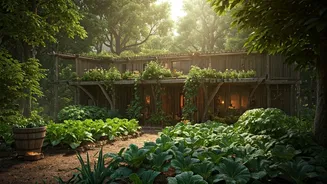
Tiny Farm Fort, located in Rishikesh, Uttarakhand, is an extraordinary structure built by 90 volunteers hailing from 18 different countries. Constructed using the cob method, this forest fort is characterized by its robust, thick mud walls. It features integrated rooftop gardens and is adorned with handcrafted décor throughout. A significant emphasis is placed on utilizing waste-free materials in its construction and maintenance, demonstrating a commitment to ecological building practices and community collaboration.
Jaipur's Creative Earth Haven
Vinyasa Earth, situated in Jaipur, Rajasthan, is a unique homestay ingeniously constructed from materials such as mud, bamboo, lime, and cow dung. Beyond its sustainable architecture, this property also functions as a creative retreat, hosting art residencies and workshops. The cottages are designed to remain naturally cooler during the summer months, offering comfort through eco-conscious design. It serves as an inspiring space where art, sustainability, and cultural immersion converge.