






Austin's New Tech Hub
In a significant move for the semiconductor industry, Elon Musk is initiating the ambitious "Terafab" project, strategically choosing Austin, Texas, as its
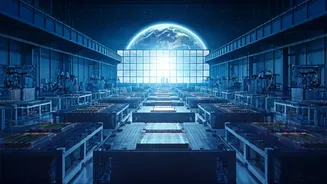
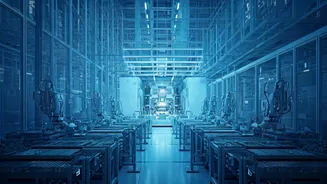
operational base. This cutting-edge facility is slated to be a joint venture, managed collaboratively by two of Musk's prominent companies: Tesla, renowned for its electric vehicles and energy solutions, and SpaceX, the pioneer in aerospace exploration. The core objective of Terafab is to establish a state-of-the-art fabrication plant equipped with the necessary infrastructure to design, produce, and rigorously test a wide spectrum of advanced microchips. Musk's phased approach begins with a smaller-scale operation, allowing for initial development and refinement, before scaling up to a significantly larger and more comprehensive manufacturing facility. This initiative signals a bold step towards in-house chip production, potentially streamlining supply chains and fostering innovation in critical technological areas for both companies.
Dual Company Synergy
The establishment of the Terafab project in Austin represents a powerful synergy between Tesla and SpaceX, two titans of innovation led by Elon Musk. This collaborative effort is designed to leverage the distinct expertise and demanding technological requirements of both organizations. Tesla, constantly pushing the boundaries in automotive technology and energy storage, necessitates a reliable and sophisticated supply of custom-designed chips for its vehicles' advanced features, autonomous driving systems, and battery management. Simultaneously, SpaceX's pioneering work in rockets, satellites, and space exploration relies on highly specialized and robust electronic components that can withstand extreme conditions and perform with unparalleled precision. By consolidating chip manufacturing under the Terafab umbrella, Musk aims to gain greater control over the design, quality, and availability of these critical components, thereby accelerating development cycles and ensuring a stable foundation for future technological advancements across both ventures. The project's initial phase will involve a smaller fab, meticulously designed to house the equipment required for creating and testing various types of chips, laying the groundwork for a more extensive manufacturing operation to follow.