



AI Infrastructure Divide
The burgeoning field of artificial intelligence is creating an unprecedented demand for computing power, pushing the boundaries of current data center
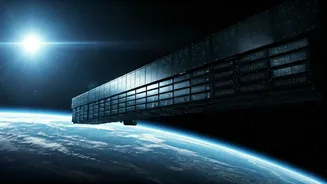
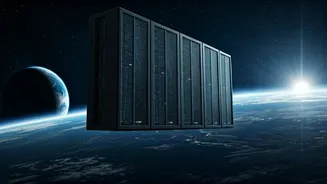
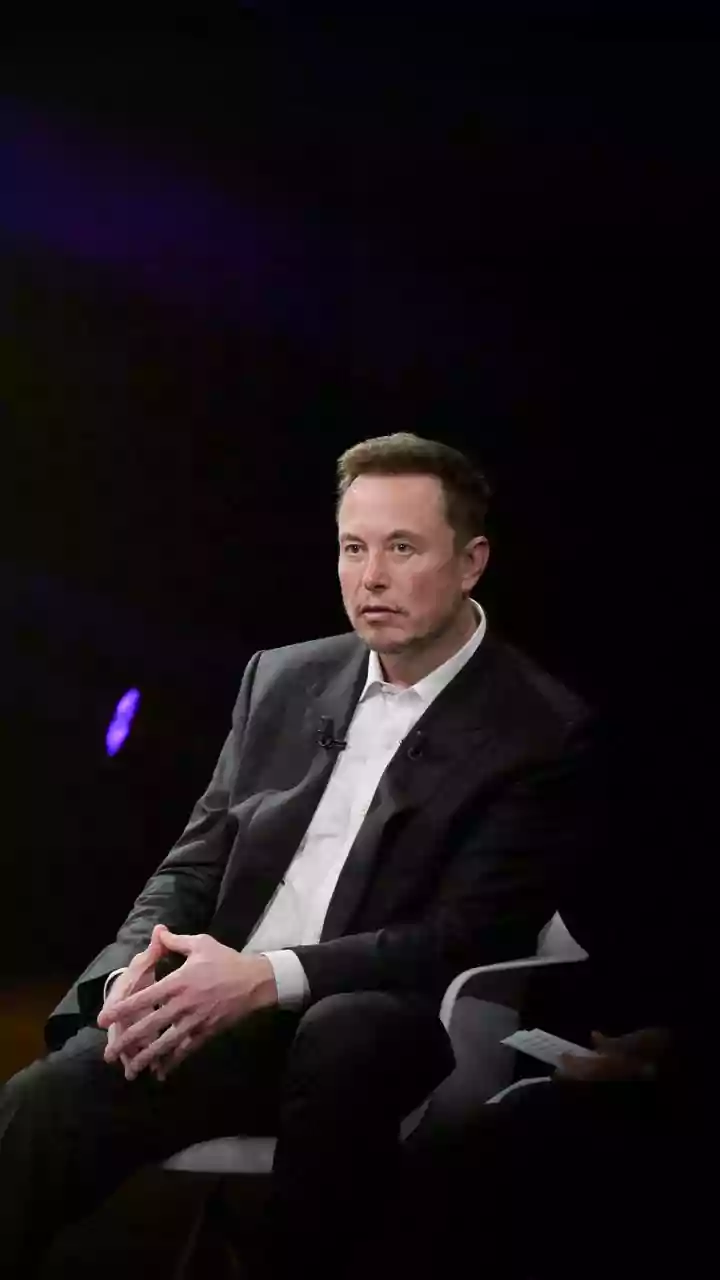
capabilities. This surge has led to divergent strategies among tech leaders regarding how to scale AI infrastructure. Notably, two formerly allied figures, Sam Altman, CEO of OpenAI, and Elon Musk, founder of SpaceX and xAI, find themselves on opposing sides of a critical debate: the role and timing of space-based data centers. Altman expresses significant skepticism about the practicality of establishing data centers in orbit within the next ten years. He points to the prohibitive costs associated with launching hardware into space and the immense difficulty of performing maintenance or repairs on critical components like GPUs once they are deployed in orbit. This perspective suggests that for the immediate future, Earth-bound solutions will remain paramount, despite their own growing challenges. This ideological schism is rooted in their shared past. Both were instrumental in the founding of OpenAI in 2015, united by a vision of non-profit, open AI research, aiming to prevent any single entity from wielding unchecked power. However, Musk's departure in 2018, reportedly due to conflicts with Tesla, marked a turning point. OpenAI subsequently shifted towards a capped-profit model, secured substantial investment from Microsoft, and began to restrict access to its most advanced models. Musk, feeling this deviated from their original mission, has been vocal in his criticism, even initiating legal action against OpenAI and founding his own AI company, xAI, to align with his own principles.
The Energy Crunch
The insatiable appetite of artificial intelligence for computational resources has escalated to a point where it's becoming a significant bottleneck for progress. Altman himself has emphasized that providing access to vast computing power for billions of people will represent the most extensive and costly infrastructure undertaking humanity has ever collectively pursued for its own betterment. This escalating demand inevitably places immense pressure on existing terrestrial power grids. Elon Musk, recognizing these limitations, views space-based data centers as a potentially crucial solution for the near future, allowing AI to transcend Earth's resource constraints. However, Altman counters this by highlighting the profound logistical complexities involved in such an endeavor. Data centers on Earth already consume vast amounts of electricity, a figure projected by the International Energy Agency to potentially double by 2026. While renewable energy sources like solar and wind are preferred, their inherent intermittency necessitates large-scale storage solutions, often leading companies back to fossil fuels and jeopardizing climate targets. The development of new nuclear power plants, another potential solution, can span years before becoming operational. In response to these challenges, some tech firms are exploring orbital data centers. The proposed benefits include the potential for uninterrupted solar energy access in space, unaffected by weather or diurnal cycles, potentially leading to lower operational costs. Proponents believe this could alleviate pressure on Earth's grids, reduce water consumption, and stabilize electricity prices. Nevertheless, the concept also introduces novel regulatory questions, as there are currently no established frameworks governing such off-world infrastructure.
Rivalry and Admiration
Beyond the immense physical infrastructure required for AI development, the landscape is also profoundly shaped by intense personal dynamics and rivalries. The relationship between Sam Altman and Elon Musk, once collaborators, has become notoriously strained. In a candid discussion, Altman was posed a hypothetical question weighing the likelihood of two improbable events: the collapse of TSMC's global chip manufacturing monopoly or a reconciliation between himself and Musk. Unambiguously, Altman stated that he considered the prospect of him and Musk becoming friends again to be less probable, humorously adding that he felt he had more agency over that outcome. Despite this evident rift, Altman has openly acknowledged Musk's exceptional talents and capabilities. When specifically asked to identify a single admirable quality in Musk, despite their significant differences, Altman offered high praise for his engineering prowess and leadership. He remarked that Musk is exceptionally skilled in physical engineering and possesses a remarkable ability to motivate his teams to achieve outstanding performance, underscoring a respect for Musk's operational and technical acumen even amidst their current disagreements. This complex interplay of personal history, ideological divergence, and mutual respect continues to influence the trajectory of AI development and its associated infrastructure.