




Vintage Charm Takes Hold
In 2026, the horological world is experiencing a profound shift, with vintage watches emerging as the undisputed trendsetters. This resurgence isn't about
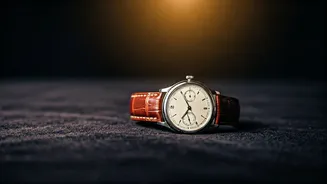
just any old timepiece; collectors are increasingly drawn to the understated elegance of smaller, more delicate models, a stark contrast to the bolder styles that have previously dominated. These vintage pieces are more than just instruments for telling time; they are considered wearable art, imbued with historical significance and a unique character that modern watches often lack. Experts highlight that the appeal lies in the story each watch tells – its patina, its subtle imperfections, and the craftsmanship that speaks of a bygone era. This growing demand signifies a desire for authenticity and timeless design in a fast-paced world, positioning vintage timepieces as coveted items that offer both personal expression and lasting value.
Preserving Your Timepiece
Caring for a vintage watch is paramount to safeguarding its aesthetic appeal and monetary worth. Jewellery experts emphasize that neglecting maintenance can diminish both its beauty and functionality. Regular, specialized attention is key to ensuring these delicate instruments continue to perform and impress for years to come. Building a rapport with a watchmaker who specializes in vintage pieces is highly recommended, as they can offer tailored advice specific to your watch's make and model. Through diligent care and proper handling, a vintage watch can transcend its status as a mere accessory to become a cherished heirloom, passed down through generations while retaining its intrinsic charm and value, a testament to its enduring legacy and historical significance.
Gentle Cleaning Essentials
When it comes to cleaning your treasured vintage watch, extreme gentleness is the golden rule. It's crucial to avoid submerging the watch in water unless you are absolutely certain of its water resistance capabilities, as age can compromise seals. Instead, opt for a soft, lint-free cloth lightly moistened with water to carefully wipe down the case and crystal. For intricate areas like metal bracelets, a soft-bristled brush can effectively dislodge dirt without causing harm. Jewellery experts strongly advise against using harsh chemicals or abrasive cleaning materials, as these can irreparably damage delicate finishes and internal components that are often irreplaceable. Prioritizing a delicate approach ensures the preservation of the watch's original condition and integrity.
The Importance of Servicing
Regular professional servicing is a non-negotiable aspect of vintage watch care, recommended every three to five years. This crucial maintenance allows a qualified watchmaker to thoroughly clean the intricate movement, identify and replace any worn-out parts, and confirm that all mechanisms are functioning optimally. Think of it akin to routine servicing for a classic automobile; proactive upkeep prevents minor issues from escalating into costly and complex repairs. This professional attention ensures the watch's internal workings remain in excellent condition, contributing significantly to its longevity and reliable performance over time, thereby safeguarding your investment.
Optimal Storage Practices
When your vintage watch isn't gracing your wrist, proper storage is vital to protect it from degradation. It should be kept in a cool, dry environment, shielded from direct sunlight, which can fade dials and damage materials, and also away from magnetic fields. Electronics like smartphones and speakers emit magnetic fields that can adversely affect the accuracy of a watch's movement. A watch box lined with soft material offers an ideal protective haven, preventing scratches and physical damage. By controlling environmental factors and providing a secure space, you actively combat the forces that can lead to deterioration, ensuring your timepiece remains in superior condition.
Careful Manual Winding
For vintage watches that require manual winding, a delicate and consistent technique is essential. Wind the crown gently until you feel a natural resistance; this indicates that the mainspring is fully wound. It is imperative to stop winding at this point to prevent overwinding, which can put undue stress on the mainspring and potentially damage the delicate vintage mechanism. Forcing the crown can lead to costly repairs. Treating the winding process with care ensures the longevity of the watch's internal components and maintains its precise functionality over time.
Avoiding Harsh Environments
Vintage watches are exquisite artifacts, not tools designed for rugged use. It is imperative to shield them from extreme temperatures, high humidity, and direct water exposure. Even watches that were originally marketed as water-resistant may have degraded seals due to their age, rendering them vulnerable. These timepieces were not engineered to withstand the rigors of modern active lifestyles. By treating them as the delicate treasures they are, you ensure they reward you with years of reliable service and enduring beauty, preserving their historical integrity and value.