






The Allure of Fuller's Earth
For centuries, Multani Mitti, also known as fuller's earth, has been an indispensable element in Indian beauty rituals. This remarkable mineral-rich clay
predates modern skincare, revered for its natural cleansing prowess, exceptional oil-absorbing capabilities, and its ability to impart a healthy glow through face packs. Its natural hues can range from earthy browns and whites to an infrequent green, each shade hinting at its unique mineral composition. Functioning as a potent natural detoxifier for the skin, Multani Mitti's name itself, 'Multani Mitti,' translates to 'clay from Multan,' originating from a region now situated in Pakistan. Historically, this prized clay was extracted from the Indus plains near Multan and subsequently traded across the Middle Eastern and South Asian markets. Its formidable properties extend beyond cosmetics, finding utility in industrial applications such as the removal of grease and oils from wool fabrics. Therefore, as summer approaches, a pertinent question arises: should one opt for Multani Mitti powder or its stone form to achieve luminous skin?
Powdered Perfection for Ease
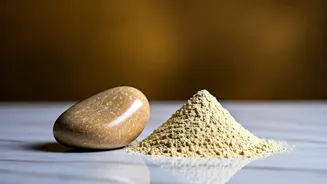
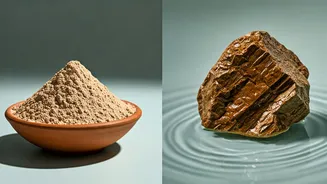
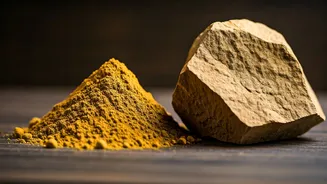
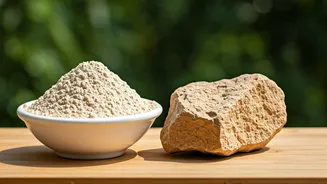
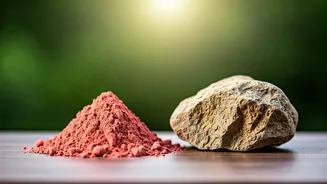
Multani Mitti is readily accessible in two distinct presentations: a fine powder and solid, stone-like chunks. The powdered form offers unparalleled convenience, arriving ready for immediate application. Its versatility shines as it can be effortlessly combined with a variety of natural ingredients like milk, aloe vera, yogurt, or rose water to create bespoke face masks. This convenient iteration is widely available in beauty establishments and can also be easily procured online. However, it's important to note that some powdered versions might contain mixed fillers, potentially compromising their quality. Despite this caveat, for those new to DIY skincare or seeking a quick and user-friendly option for face masks, the powdered Multani Mitti presents an excellent and accessible choice.
The Purest Form: Stone
In contrast, the Multani Mitti stone represents a less processed and arguably more authentic way to harness the clay's benefits. Traditionally, Indian households utilized this form, with women meticulously grinding the stone into a fine powder before applying it to their face and body, thus ensuring the use of the purest form of clay. While this method yields an absolutely pure product, it demands significant effort in crushing and soaking the stone prior to use, making it less convenient than its powdered counterpart. Nevertheless, for individuals who prioritize purity above all else and are willing to invest a little more time and effort, the Multani Mitti stone is unequivocally the preferred option.
Choosing Your Glow
Fundamentally, both the powder and stone forms of Multani Mitti offer similar beneficial effects for the skin, stemming from the same natural source. However, the stone variant is generally regarded as more natural and unadulterated. Conversely, the powdered form excels in user-friendliness and ease of incorporation into skincare routines. Therefore, if your aspiration is to achieve naturally radiant skin, the stone variant emerges as the superior selection. It is crucial, however, to exercise moderation; daily application can strip the skin of its essential natural oils. Incorporating Multani Mitti masks once or twice weekly, perhaps mixed with rose water, milk, or aloe vera, is ample to effectively manage sebum production and promote a healthy, glowing complexion.