
Still the Strongest
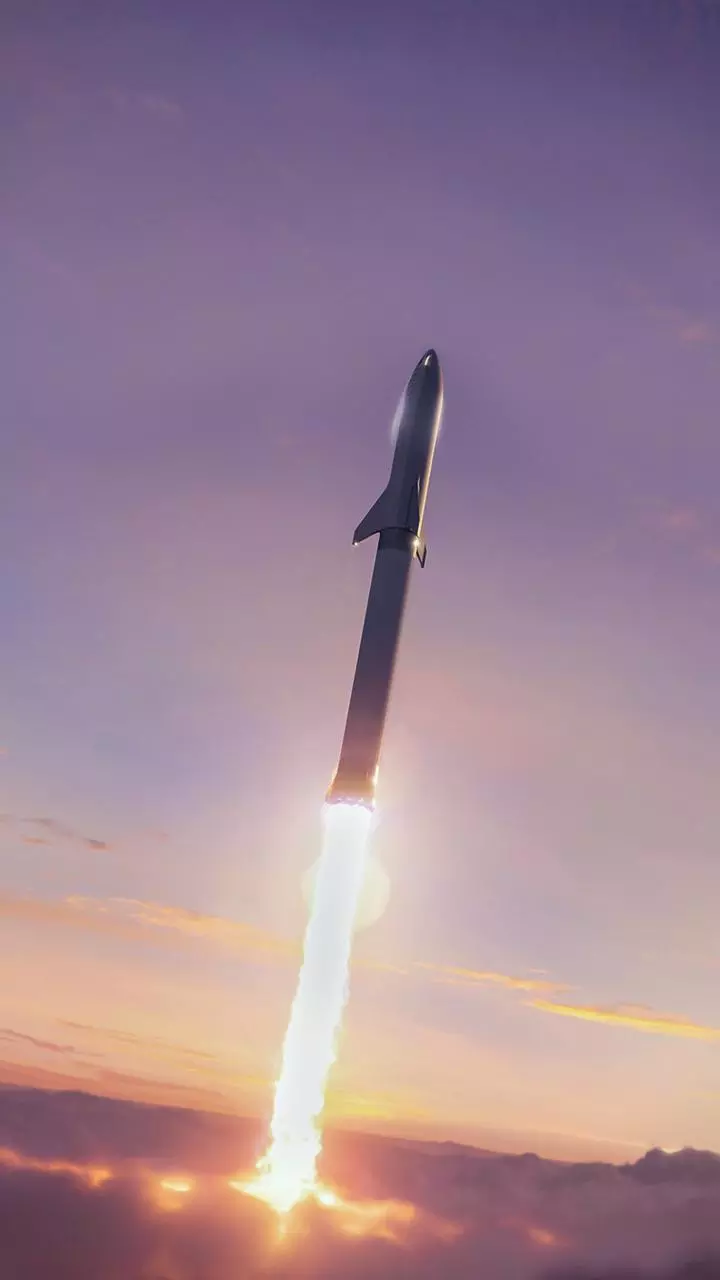
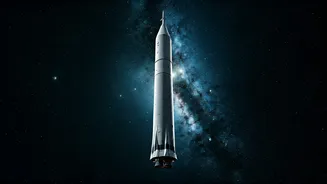
The SLS holds the title of the most powerful rocket currently in operation. The rocket has a substantial amount of thrust, making it capable of lifting
heavy payloads into space. This is a crucial element for deep-space exploration missions, including those involving the Orion spacecraft. Despite the emergence of new players and technologies in the space sector, SLS remains a dominating force. The fact that SLS is still the most powerful signifies the importance of its power in the current space exploration landscape. This capability is vital for achieving the ambitious goals set by space agencies for lunar and beyond missions. The initial design of the rocket has been optimized to handle large cargo and human missions, showcasing its capacity to serve crucial roles in space travel.
Only for Orion
One of the standout features of the SLS is that it's currently the sole rocket built to carry the Orion spacecraft. Orion is designed for crewed missions beyond low Earth orbit, particularly to the Moon and Mars. The unique compatibility between the SLS and Orion is essential for these missions. Without the SLS, there would be no means of sending the Orion capsule on its planned deep-space journeys. The precise engineering and specifications of both the rocket and the spacecraft have been meticulously coordinated to ensure a successful partnership. The pairing signifies a large investment in the advancement of space exploration. It emphasizes the importance of the SLS in the greater context of human space travel, opening pathways for long-duration missions to distant destinations.
Using Older Tech
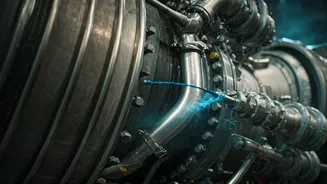
The SLS incorporates components and designs from previously used space hardware. The decision to integrate retro technologies was made for several strategic reasons. Using proven parts can reduce risks in its development and construction, as many aspects of the system have been tested previously. Also, this approach leverages existing infrastructure and knowledge accumulated over decades of space exploration. While this approach benefits from cost efficiencies, it also means the rocket may not incorporate the most current technological advances. This selection of components indicates a balance between efficiency and achieving ambitious goals of exploring space. This method affects the design, capabilities, and overall efficiency of the SLS but serves its specific role in the evolving space landscape.
Costly Space Flights
The SLS is frequently cited as being a very expensive rocket to build and operate. The high costs are attributed to various factors, including the complexity of its design, the use of existing and new technologies, and the specialized manufacturing procedures required. Also, the project's long development period contributed to its substantial budget. These costs are often a subject of discussion within the space industry and among policymakers. The high price tag of the SLS often leads to questions about budget allocation and the long-term sustainability of the program. Despite the high price, its importance in achieving deep-space missions continues to be recognized, highlighting the difficulties in managing the costs and benefits of ambitious space projects.
Reach vs. Reusability
The SLS design prioritizes reach over reusability, which has a significant impact on its operational model. Unlike some other rockets that are built with components to be reused, the SLS is not designed to be easily reused, and certain components are discarded after a launch. This choice is rooted in the need to maximize the rocket's ability to lift very heavy payloads and go to deep-space destinations. The approach increases the cost per launch. This model contrasts with efforts towards developing reusable rocket systems that aim to bring costs down. The decision to prioritize reach highlights the unique design choices made to serve specific objectives, particularly those aimed at enabling missions beyond Earth's orbit.