




Unveiling Mojave's Majesty
Nestled a mere two hours from the bustling energy of Los Angeles, Red Rock Canyon State Park presents a geological spectacle that often flies under the radar.
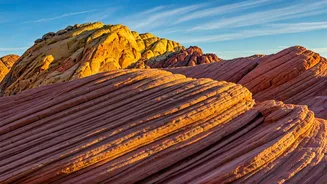
As you journey along Highway 14, the landscape might seem initially unassuming, but a turn into the park reveals a dramatically different world. Towering spires of stone, painted with hues of red and orange, dominate the horizon, creating a visual tapestry that rivals more famous desert locations. The park's raw, untamed beauty has not gone unnoticed by the creative world, serving as a backdrop for music videos and films, a testament to its otherworldly appeal. Beyond its cinematic charm, Red Rock Canyon offers a profound sense of tranquility and a visual feast of colorful sandstone formations, making it an exceptional destination for those seeking a serene yet awe-inspiring natural experience within easy reach of Southern California's major hubs.
Adventures Amidst the Rocks
The heart of any visit to Red Rock Canyon State Park lies in its incredible opportunities for outdoor exploration. Hikers will find themselves drawn to trails like the Hagen Canyon Nature Trail and the Lava Point Trail, which meander through the park's distinctive terrain. These paths offer immersive experiences, allowing visitors to walk amongst towering red cliffs, admire striped sandstone buttes, and discover secluded canyons that evoke a sense of stepping onto another planet. The park's isolation, far from significant urban centers, contributes to an unparalleled stargazing experience. Once night falls, the typically clear desert sky transforms into a canvas of stars, offering a celestial spectacle that is truly unforgettable. For those wishing to extend their stay and fully embrace the park's nocturnal magic, the Ricardo Campground provides a primitive camping experience with basic amenities, including pit toilets and drinking water, at a nominal fee. Beyond the park's immediate boundaries, the Desert Tortoise Research Natural Area offers a chance to observe the region's unique wildlife, including the endangered desert tortoise, while the nearby town of Ridgecrest provides essential services and dining options for visitors seeking a more urban respite.
Seasonal Splendor and Wildlife
Given its location within the Mojave Desert, Red Rock Canyon State Park experiences significant temperature fluctuations throughout the year. To truly appreciate its beauty without the extremes, spring and fall emerge as the prime visiting seasons. During springtime, temperatures are pleasantly mild, often hovering between the 60s and 70s Fahrenheit, and this is also when the desert floor can burst into a display of ephemeral wildflowers. Autumn mirrors these comfortable temperatures, offering clear skies and calm conditions that are ideal for hiking and observing the night sky. These cooler periods also coincide with increased activity from local wildlife. Visitors have a greater chance of spotting desert tortoises, hardy chuckwalla lizards, and various other native species that thrive in these conditions. It is crucial, regardless of the season, to remain hydrated and to plan strenuous activities like hiking for the cooler parts of the day, such as sunrise or sunset, which also provide exceptionally beautiful lighting for the dramatic landscapes.
Navigating to Paradise
Reaching Red Rock Canyon State Park is a straightforward endeavor, situated conveniently off Highway 14, approximately two hours northeast of Los Angeles. For travelers flying into the region, Meadows Field Airport in Bakersfield is the closest commercial option, about a 1.5-hour drive from the park. Alternatively, utilizing Los Angeles International Airport (LAX) provides more flight choices, though factoring in Los Angeles traffic is essential for planning. If arriving from Bakersfield, a rental car is recommended. The route involves taking CA-58 East to CA-14 North, followed by a roughly 20-mile drive to the park entrance. For access to the Ricardo Campground and many of the primary hiking trails, turn left onto Abbott Drive. The majority of the park's other attractions are accessible via Iron Canyon Road, which is a right turn off CA-14 if heading north.