







The Hidden Meaning of Fast Heartbeats
While a quickened pulse is often linked to feelings of stress or anxiety, its persistent presence during moments of calm—a condition known as resting tachycardia—warrants
closer attention. A typical resting heart rate for adults falls between 60 and 100 beats per minute. When this rate consistently exceeds this threshold without any physical exertion, it could be an indicator that your body is trying to communicate a more significant health concern. Cardiology experts emphasize that a fast heartbeat at rest isn't always a manifestation of nervousness; it can, in fact, be a symptom of an underlying cardiac issue that requires professional medical evaluation and intervention. Understanding this distinction is the first crucial step in safeguarding your cardiovascular well-being.
Arrhythmia: A Serious Concern
One of the primary medical concerns associated with experiencing a racing heart while at rest is the possibility of developing an arrhythmia. This condition encompasses a range of heart rate irregularities, where the heart's rhythm becomes either excessively fast, unnaturally slow, or erratic. These disruptions can significantly impair the heart's vital function of efficiently pumping blood throughout the body. Beyond palpitations, individuals experiencing arrhythmia might also notice symptoms such as dizziness, significant shortness of breath, and in some severe cases, fainting spells. Cardiologists explain that such symptoms can be clear signals that the heart is not maintaining its normal, rhythmic beat, underscoring the need for prompt medical assessment to identify and address the root cause.
Causes of Irregular Rhythms
The origins of irregular heart rhythms, or arrhythmia, are diverse and can stem from a variety of factors. Common culprits include conditions like hypertension (high blood pressure), coronary heart disease, and valvular heart disease, all of which directly impact the heart's structure and function. Furthermore, abnormalities in the heart muscles themselves can lead to arrhythmias. Interestingly, even seemingly minor issues, such as lifestyle-related problems or heightened sensitivity of the heart tissue, can precipitate irregular heartbeats. Given this broad spectrum of potential causes, it's clear that arrhythmia is a condition that should not be overlooked and requires thorough investigation to determine the specific underlying issue.
Diagnostic Pathways Explored
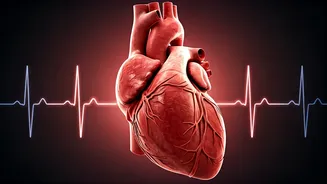
Identifying the cause of an abnormal heart rhythm begins with a detailed examination of the heartbeat's pattern. The initial diagnostic tool is typically an Electrocardiogram (ECG), which provides a snapshot of the heart's electrical activity. However, because irregular rhythms may not always be present during a brief ECG, continuous monitoring often becomes necessary to capture these episodes. In addition to ECGs, further diagnostic tests may be employed to assess the heart's physical structure and identify any potential abnormalities. These can include advanced imaging techniques such as a CT scan or an MRI, offering a more comprehensive view of the heart's condition and aiding in a precise diagnosis.
Tailored Treatment Approaches
The approach to treating irregular heart rhythms is highly personalized and depends entirely on the identified cause. Initial management strategies often involve lifestyle modifications, such as ensuring adequate sleep, effectively managing stress levels, and limiting the intake of stimulants like excessive caffeine, which can exacerbate heart rate issues. For some individuals, a procedure known as cardioversion may be utilized to help restore a normal heart rhythm. In more complex cases, medical devices might be implanted within the body to regulate heartbeats; an example of this is the Implantable Cardioverter Defibrillator (ICD). Lastly, if the underlying problem involves poor blood circulation, surgical interventions may become a necessary part of the treatment plan.
Staying Vigilant and Aware
Medical professionals consistently stress the paramount importance of actively listening to your body's signals. Simple yet effective strategies include regularly monitoring your resting heart rate, refraining from dismissing recurring episodes of rapid heartbeats, consciously reducing your consumption of stimulants, and ensuring you get sufficient rest. As experts often advise, not every instance of a fast heartbeat signifies anxiety; if you experience something that feels unusual or out of the ordinary, it is certainly worth paying close attention to. While a racing heart might feel momentarily insignificant, its frequent occurrence when you are at rest deserves thorough consideration and potentially medical consultation.