


Nourish Your Arteries
The food we consume is far more than mere sustenance; it's a direct influence on our arteries' condition, dictating cholesterol levels and internal inflammation.
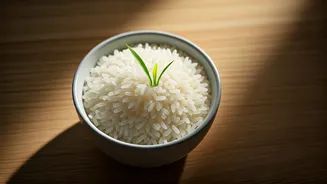
Dr. Bansal emphasizes that the starting point for heart health lies on our plate, advocating for a diet abundant in fruits, vegetables, whole grains, nuts, and lean proteins, while consciously sidestepping excessive salt, sugar, and processed food items. The principle is balance rather than strict deprivation. A balanced meal typically features half the plate filled with vegetables, a quarter with protein, and the remaining quarter with whole grains. Traditional Indian meals, such as dal, sabzi, and roti, can be exceptionally beneficial for heart health when prepared with mindful attention to the quantities of oil and salt used. Furthermore, authoritative dietary guidelines from entities like the Indian Council of Medical Research-National Institute of Nutrition (ICMR-NIN) provide comprehensive recommendations that highlight portion management, the use of seasonal produce, and a significant reduction in the consumption of manufactured food products, all contributing to better arterial health.
Unmask Silent Risks
Critical health indicators like high blood pressure, diabetes, and elevated cholesterol often manifest without obvious symptoms, yet they relentlessly inflict damage on our blood vessels over time. Dr. Bansal issues a stark warning: these 'silent heart risks' may go unnoticed until serious consequences arise. He stresses the paramount importance of regular health screenings, particularly for individuals over 30, or even earlier if there's a history of heart disease within the family. In India, a significant portion of the adult population, approximately one in three, is affected by hypertension, according to relevant studies. Committing to an annual health check-up, which includes a simple blood test and blood pressure monitoring, can be a transformative step in identifying potential issues early and altering the trajectory of one's health outcomes, thereby protecting the cardiovascular system.
Tackle Sugar Spikes
India holds a concerning distinction as a global hub for diabetes, and alarmingly, elevated blood sugar levels are increasingly prevalent even among younger demographics. Dr. Bansal points out that the escalating numbers of young individuals developing diabetes significantly contribute to the overall risk of heart disease. Uncontrolled diabetes can lead to progressive damage to the arteries over an extended period. Managing blood sugar extends beyond simply avoiding sweet treats; it encompasses adhering to regular meal schedules, incorporating fiber-rich foods into the diet, and maintaining an active lifestyle. These combined efforts are crucial for preventing the long-term arterial damage associated with high glucose levels and thereby safeguarding cardiovascular health.
Daily Decisions Matter
Preventing heart attacks is not about undertaking one monumental change, but rather about cultivating a collection of consistent, everyday decisions that collectively foster long-term heart health. As Dr. Varun Bansal eloquently states, nearly 80% of premature heart disease is entirely preventable through the adoption of appropriate lifestyle habits. This perspective encourages a shift away from extremes towards an appreciation for the cumulative impact of daily choices. From the specific foods selected for meals to how stress is managed before retiring for the night, each action contributes to the overall health of the cardiovascular system. This understanding empowers individuals to take proactive control of their heart health through consistent, manageable habits.
Embrace Movement Daily
While exercise is often perceived as a laborious task, the heart views it as a vital necessity for its optimal functioning. Regular physical activity enhances blood circulation, contributes to lowering blood pressure, and plays a crucial role in weight management. Dr. Bansal highlights that a minimum of 30 minutes of moderate exercise, five days a week, is sufficient to substantially reduce cardiovascular risk. This doesn't necessitate grueling workouts; rather, brisk walking, cycling, or even consistently taking the stairs can be highly effective. The key to reaping the benefits lies in regularity and consistency, not necessarily in the intensity of the activity. Even brief, sporadic moments of physical activity throughout the day, when performed consistently, can contribute to a reduced risk profile for heart disease.
Manage Stress and Sleep
The impact of stress extends far beyond mental well-being, directly influencing blood pressure, disrupting sleep patterns, and potentially fostering unhealthy coping mechanisms such as overeating or smoking. Dr. Bansal underscores that stress management and adequate sleep are frequently overlooked yet profoundly influential aspects of overall health. Prolonged stress and insufficient sleep can exert considerable strain on the cardiovascular system. The general recommendation for adults is to aim for approximately 7 to 8 hours of quality sleep each night, as chronic sleep deprivation elevates the risk of heart disease. Implementing simple practices like maintaining fixed sleep schedules, minimizing screen time before bed, and engaging in mindful breathing exercises can significantly improve sleep quality and reduce cardiovascular strain.
Consistent Check-ups
A heart attack may appear sudden, but the underlying conditions often develop over many years, influenced by cumulative daily choices that gradually affect arterial health, blood pressure, and metabolism. Cardiovascular diseases are a leading cause of mortality in India, accounting for a substantial percentage of all deaths. What is particularly concerning is the early onset of these risk factors, often appearing in individuals in their 30s or even younger. Fortunately, the majority of these risks are preventable. The focus should not be on radical lifestyle overhauls, but rather on cultivating steady, practical habits that are easily integrated into daily routines and complemented by regular medical assessments. Annual check-ups are critical for early detection and intervention.