







Rethinking Obesity's Nature
In India, the perception of obesity is slowly evolving. It's increasingly being recognized not as a consequence of poor lifestyle choices or a lack of willpower,
but as a complex, chronic metabolic condition with far-reaching effects on the entire body. This paradigm shift is crucial for effective long-term management. The advent of newer therapeutic agents, particularly GLP-1 agonists, is playing a significant role in this redefinition. These medications are moving the focus beyond superficial weight changes to the underlying metabolic dysregulation and systemic health implications associated with excess body weight. Experts are advocating for this more scientific and less judgmental perspective to encourage earlier diagnosis and more effective, ongoing treatment strategies that acknowledge the chronic nature of the disease.
Multi-Organ Benefits Unveiled
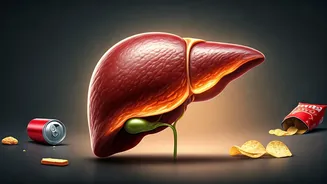
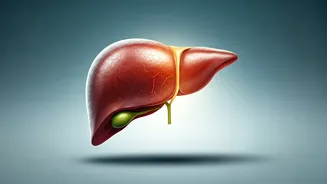
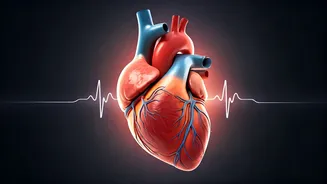
The impact of obesity extends much deeper than what is visible externally, affecting critical organs like the heart, liver, and kidneys. Early intervention is therefore paramount. GLP-1 therapies, initially developed for managing diabetes, are now demonstrating remarkable benefits across these organ systems. They have shown a significant positive influence on cardiovascular health, reducing the risk of major cardiac events. Furthermore, these therapies appear to offer potential advantages for individuals suffering from metabolic liver disease and can play a role in slowing the progression of kidney dysfunction. For patients with obesity, these treatments can lead to a reduction in body weight by up to 15 percent and simultaneously decrease the likelihood of significant cardiovascular problems by 20 percent. They also contribute to improved liver function by reducing fat accumulation and normalizing enzyme levels over time, highlighting their broad therapeutic potential.
Targeting Harmful Visceral Fat
A key advantage of GLP-1 therapies lies in their ability to specifically target and reduce visceral fat, which is the metabolically detrimental fat accumulating around vital internal organs. This type of fat is closely linked to numerous health complications. By focusing on these harmful fat depots, GLP-1 therapy provides comprehensive protection against cardiometabolic issues. This targeted reduction is instrumental in lowering the risks associated with conditions like non-alcoholic fatty liver disease and various cardiovascular diseases. This shift in treatment strategy, from a singular focus on overall weight reduction to addressing the distribution of fat and improving metabolic health, signifies a substantial advancement in the way obesity is being managed.
Monitoring and Awareness Needed
Despite the promising advancements offered by GLP-1 therapies, experts strongly advise a cautious and well-monitored approach. Given that their application in obesity management is relatively new, questions surrounding long-term safety are being diligently investigated. It is essential to monitor patients closely, paying particular attention to liver enzymes, as any changes could indicate potential complications such as gallbladder disease. Additionally, some individuals have experienced slight increases in their resting heart rate. Beyond these clinical considerations, a significant challenge remains public perception. Stigma often prevents individuals from seeking timely treatment, and many remain unaware of underlying health issues like fatty liver disease until they become advanced. The ongoing dialogue around obesity in India needs to move beyond outdated beliefs and embrace a more informed understanding, recognizing it as a serious disease requiring early, sustained, and medically guided care.