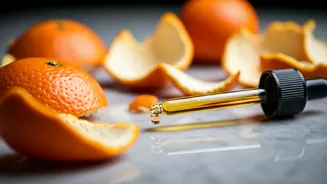



Gather Your Ingredients
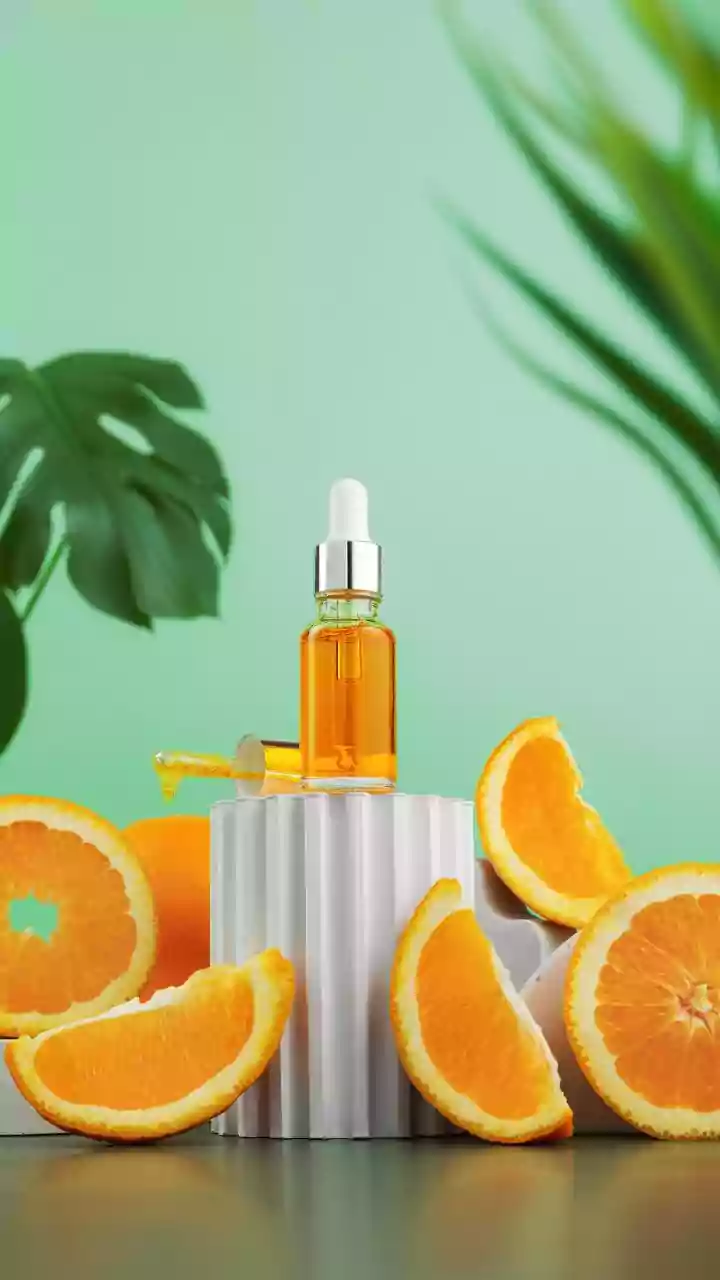
To embark on this natural skincare journey, you'll need a few readily available items. The stars of our show are 2-3 organic oranges; opting for organic is vital
to bypass any potentially harmful pesticides found on conventional fruit. You'll also require 2 tablespoons of rose water, which can be substituted with distilled water if necessary. A tablespoon of pure aloe vera gel will form the hydrating base of your serum. To enhance moisture retention, incorporate ½ teaspoon of vegetable glycerin, a natural humectant. Finally, two Vitamin E capsules will be added to boost antioxidant properties and help preserve your creation.
Prepare the Peel
The initial step involves meticulously preparing the orange peels. Begin by thoroughly washing your oranges. Then, carefully peel them, paying close attention to removing as much of the bitter white pith as possible, as this can impart an unpleasant taste. Once peeled, spread the citrus rinds out on a tray and allow them to dry completely. This can be achieved by leaving them in direct sunlight for a few days or, for a quicker method, by baking them in an oven set to its lowest temperature for an hour or two. After drying, grind the peels into a very fine powder using a blender or food processor. It's crucial to then pass this powder through a sieve to eliminate any coarse particles, ensuring a smooth texture for your serum.
Extract the Goodness
Now it's time to extract the beneficial compounds from the prepared orange peel powder. Take a small bowl and add one tablespoon of your finely ground citrus powder. Combine this with approximately two tablespoons of rose water. Stir the mixture well, cover the bowl, and let it steep for a period of 4 to 6 hours. This steeping duration is essential as it allows the water-soluble Vitamin C to be effectively drawn out from the orange peels. Following the steeping process, strain the liquid through a cheesecloth or a coffee filter, ensuring you squeeze out every last drop of the infused liquid. Discard the leftover solid pulp.
Mix Your Serum
With your infused orange liquid ready, the next phase is to combine it with the other nourishing ingredients. Add your aloe vera gel and vegetable glycerin to the citrus liquid. Next, carefully pierce the Vitamin E capsules and squeeze the oil into the mixture. Whisk all the ingredients together vigorously. Continue stirring until the aloe vera gel is completely dissolved and the serum achieves a slightly cloudy appearance with a pleasing, gel-like consistency. This combination creates a potent, homemade serum designed to revitalize your skin.
Storage and Application
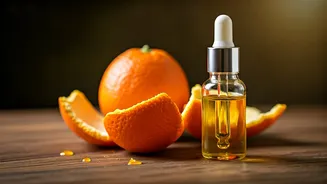
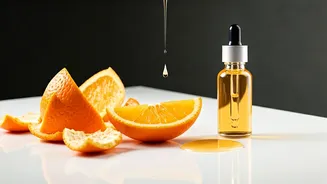
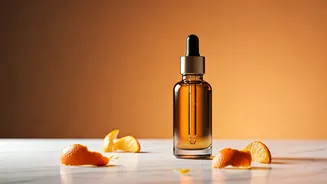
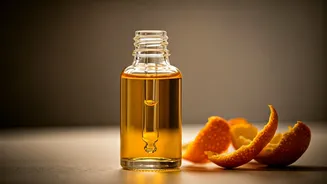
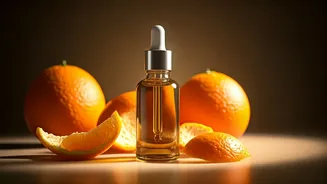
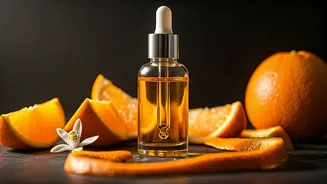
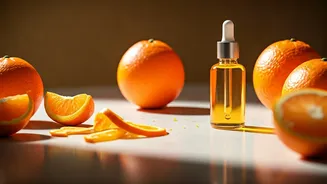
To preserve the delicate Vitamin C in your homemade serum, transfer it into a dark glass dropper bottle; amber or cobalt blue is highly recommended as it protects against light degradation. Due to the absence of chemical preservatives, it is imperative to store this serum in the refrigerator to prevent the growth of mold and bacteria. When you are ready to use it, cleanse your face thoroughly. Apply 3-4 drops of the serum, gently massaging it upwards onto your skin. Follow this step with your preferred moisturizer. If applying in the morning, using a broad-spectrum sunscreen immediately afterward is non-negotiable, as Vitamin C increases photosensitivity.
Manage Expectations
While DIY skincare offers immense satisfaction, it's important to maintain realistic expectations regarding its efficacy and shelf life. Natural Vitamin C is inherently unstable and prone to oxidation. If your serum begins to change to a dark yellow or brown hue, or develops an unusual odor, it has likely oxidized and should be discarded immediately. For optimal results and safety, it is recommended to prepare a fresh batch every 7 to 10 days. Furthermore, understand that homemade water-based extracts may not penetrate the skin barrier as deeply as commercially formulated clinical serums. They provide excellent surface-level brightening and hydration but offer a gentler approach. Always perform a patch test on your jawline 24 hours prior to full facial application to check for any adverse reactions.