







The Viral Exchange
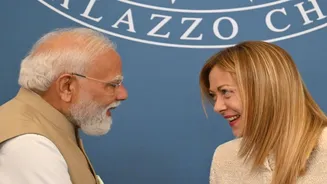
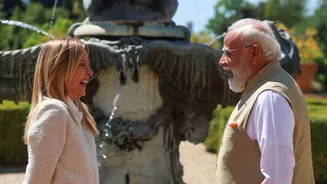
A moment of international diplomacy took an unexpected turn, capturing the internet's attention and rekindling a fondness for a classic treat. During Prime
Minister Narendra Modi's visit to Rome, he presented Italian Prime Minister Giorgia Meloni with a packet of beloved Melody toffees. This seemingly small gesture was amplified when Meloni shared a cheerful video of the exchange, expressing her gratitude. The reel quickly went viral, resonating with the public and sparking a wave of nostalgia and curiosity. This moment not only revived the affectionate 'Melodi' wordplay often associated with the two leaders but also triggered a sudden and intense nationwide craving for the caramel-chocolate confection, demonstrating the potent influence of visual media on consumer behavior and cultural trends.
Nationwide Craving Unleashed
The immediate aftermath of the viral video saw a remarkable shift in consumer demand. Across various Indian cities, quick-commerce platforms experienced an overwhelming surge in searches and requests for Melody toffees. Major delivery services like Blinkit, Zepto, and Instamart reported that the toffees were rapidly becoming unavailable, with many locations showing them as 'Out of Stock.' Blinkit even acknowledged this phenomenon on their Instagram, noting a 'sudden spike in Melody searches.' Reports from consumers corroborated this, with users sharing instances of the toffee being sold out on multiple platforms in their areas. This widespread scarcity left many wondering who had purchased all the available stock, highlighting the swift and significant impact of a viral moment on offline retail.
The Power of a Moment
This peculiar situation offers a fascinating insight into how seemingly minor cultural exchanges can have substantial economic repercussions. While stockouts on rapid delivery apps can occur for numerous reasons, the intense demand for Melody toffees, directly linked to a diplomatic interaction, is particularly noteworthy. The toffee, a familiar presence in Indian households for years, required no special marketing campaign or relaunch to regain popularity. Instead, a single, serendipitous moment on the international stage was enough to reignite widespread interest and drive an unexpected wave of purchases. It underscores the profound connection between public figures, viral content, and the everyday consumer landscape, proving that a well-timed gesture can have a surprisingly sweet outcome.