






The Post-Meal Ritual
Bryan Johnson's recommendation centers on a simple 10-minute walk following each meal. This seemingly small adjustment is believed to have a wide-ranging
impact on health. It's an accessible habit that anyone can incorporate into their daily routine without requiring special equipment or extensive time commitment. The core idea is that this short walk triggers various physiological responses that promote better health outcomes, targeting everything from blood fat levels to sleep quality. This is an example of a simple hack for significant results.
Blood Fat Reduction
One of the most notable claims associated with the post-meal walk is its impact on blood fat levels. Johnson states that this practice can reduce blood fat by a substantial 72%. This reduction is significant because elevated blood fat levels, often associated with a diet rich in unhealthy fats, are a known risk factor for cardiovascular disease. Lowering these levels can significantly contribute to better heart health. The walk helps the body process fats more effectively, preventing their buildup in the bloodstream and potentially reducing the risk of arterial plaque formation, which can lead to strokes and heart attacks.
Sleep and Digestion
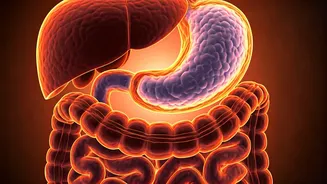
Beyond its impact on blood fat, the post-meal walk is also touted to improve sleep and digestion. Walking stimulates the digestive system, which can help in breaking down food more efficiently and reducing the likelihood of bloating or discomfort. Improved digestion can lead to better nutrient absorption and overall gut health. Moreover, the light exercise can promote better sleep quality. Regular physical activity, even something as gentle as a post-meal walk, is known to regulate sleep patterns. This may help in falling asleep faster and experiencing deeper, more restorative sleep, leading to overall improved well-being.
Heart Health Benefits
The cumulative effects of the post-meal walk contribute to enhanced heart health. By reducing blood fat levels, improving digestion, and promoting better sleep, this simple habit indirectly supports cardiovascular well-being. Regular walking is a known form of exercise that strengthens the heart muscle, improves blood circulation, and lowers blood pressure. A stronger heart is more efficient, reducing the strain on the cardiovascular system and, in turn, lowering the risk of heart disease, strokes, and other cardiovascular issues. The simplicity and accessibility of this habit make it a powerful tool for proactively managing and improving heart health.