




Understanding Cooking Expenses
The fluctuating prices and availability of LPG cylinders have prompted many Indian households to re-evaluate their cooking methods. This article delves
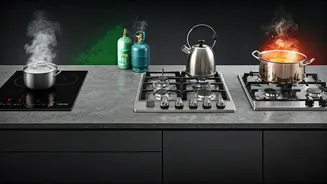
into the financial implications of using different appliances, aiming to simplify the decision-making process for consumers. Instead of complex calculations, we'll use a common cooking scenario – preparing chicken curry for approximately one hour – to illustrate the approximate costs associated with LPG cylinders, induction cooktops, electric stoves, and piped natural gas (PNG) connections. While specific costs can vary based on location and local utility rates, these estimations provide a realistic benchmark for understanding the economic differences between these prevalent cooking solutions in India. The goal is to empower consumers with clear, actionable information to make the most cost-effective choice for their daily culinary needs.
LPG Cylinder Economics
For decades, the LPG cylinder has been the cornerstone of Indian kitchens, a familiar and reliable source of fuel. Currently, a standard LPG cylinder typically ranges from Rs 900 to Rs 1,100, with prices influenced by government subsidies and regional variations. On average, one cylinder can support around 12 to 14 hours of cooking time when operated at a medium flame. This translates to an approximate cost of Rs 70 to Rs 90 for an hour of cooking a dish like saag. While widely accessible and user-friendly, the current market dynamics, characterized by price increases and potential delivery disruptions, position LPG as the most expensive option among the analyzed methods. Its continued reliance on cylinder availability also adds a layer of uncertainty for consumers.
The Efficiency of Induction
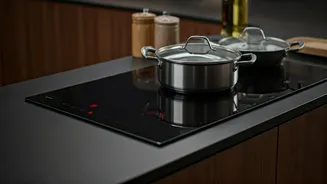
Induction cooktops have surged in popularity, largely due to their remarkable energy efficiency and cost-effectiveness. Unlike traditional electric stoves, induction technology heats the cookware directly through electromagnetic fields, minimizing heat loss to the surroundings. An hour of cooking on an induction cooktop consumes approximately 1.5 to 2 units of electricity. Considering the per-unit electricity cost, which typically falls between Rs 6 and Rs 10, the expenditure for one hour of cooking hovers around Rs 10 to Rs 20. This makes induction cooking remarkably economical. It also offers precise temperature control, enhancing the cooking experience. For households in areas with stable electricity supply, induction cooktops present the most budget-friendly cooking solution available today.
Electric Stove Performance
Electric stoves, while also powered by electricity, operate on a less efficient principle than their induction counterparts. They heat a resistive element on the stovetop, which then transfers heat to the cookware. This process inevitably leads to a greater amount of heat dissipation into the environment. Consequently, an hour of cooking on an electric stove typically requires between 2 to 2.5 units of electricity. This translates to an estimated cost of Rs 15 to Rs 30 for an hour of cooking. Although slightly more expensive than induction, electric stoves offer the advantage of not requiring specialized cookware, making them a convenient alternative. They remain significantly more economical than LPG cylinders, providing a mid-range option in terms of cost and efficiency.
PNG Pipeline Convenience
For residents of metropolitan areas in India, piped natural gas (PNG) offers a modern and efficient alternative to traditional LPG cylinders. PNG is delivered directly to homes via a network of pipelines, eliminating the need for cylinder replacements and ensuring a continuous supply. Billing is based on actual consumption. The cost for one hour of cooking using PNG is estimated to be between Rs 25 and Rs 40. While not as inexpensive as induction cooking, PNG provides a more cost-effective and convenient solution compared to LPG cylinders. Its primary limitation is its availability, which is currently restricted to specific urban regions. Where accessible, PNG offers a hassle-free and predictable cooking fuel option.
Choosing the Right Method
When prioritizing cost savings, the induction cooktop emerges as the clear winner, offering the lowest expense per hour of cooking. However, the decision isn't solely about the price tag. Factors such as the reliability of electricity supply and the availability of PNG connections significantly influence the practical choice for many households. In regions prone to power outages, LPG might remain a necessary backup. Interestingly, many Indian families are adopting a hybrid approach, utilizing induction for everyday cooking due to its affordability and keeping LPG cylinders as a reserve for situations where electricity is unavailable. This adaptive strategy reflects the evolving landscape of Indian kitchens, balancing cost-effectiveness with practicality.