





The Post-Pregnancy Back Pain Epidemic
A significant majority of women, a staggering 70%, grapple with back pain following childbirth, yet this pervasive issue is frequently overlooked until
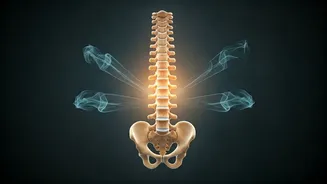
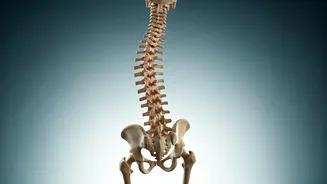
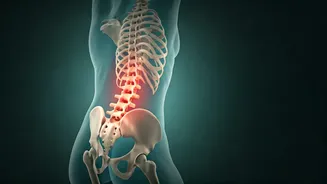
it becomes a severe impediment. What is often mistakenly accepted as a natural consequence of recovery can profoundly impact a new mother's ability to move freely and enjoy her overall well-being. This widespread pain can stem from a multitude of physiological changes that occur during pregnancy, placing immense stress on the spinal column. As the body gains weight and posture shifts, the core muscles weaken, disrupting the body's equilibrium and consequently straining the lower back. Furthermore, the hormonal shifts during gestation, particularly the release of relaxin, which is essential for preparing the body for birth by loosening ligaments and joints, can contribute to spinal and pelvic instability. This instability, coupled with the physical demands of new motherhood such as incorrect lifting techniques, prolonged poor posture while feeding or holding the baby, insufficient rest, and inadequate physical recuperation, can transform temporary discomfort into persistent pain, stiffness, and potentially chronic spinal ailments if not addressed promptly and effectively.
Understanding the Root Causes
The journey through pregnancy and childbirth places considerable stress on a woman's spine, initiating a cascade of changes that often manifest as back pain postpartum. The physical transformation during gestation, marked by substantial weight gain and altered posture, fundamentally shifts the body's center of gravity. This shift, combined with a natural weakening of the supporting core muscles, leads to increased pressure and strain on the lower back. Concurrently, hormonal fluctuations play a critical role; the body produces relaxin, a hormone designed to increase ligament laxity in preparation for delivery. While vital for the birthing process, this loosening of joints can result in instability in the spine and pelvis, predisposing women to pain and discomfort. The challenges don't cease post-delivery. The demands of caring for a newborn frequently exacerbate these issues. Maintaining improper postures while breastfeeding or cradling the baby, engaging in incorrect lifting methods, enduring sleep deprivation, and failing to allow adequate time for physical recovery all contribute to the persistence or worsening of back pain. These factors can lead to persistent discomfort, reduced flexibility, and, if left unaddressed, could escalate into more serious spinal conditions that significantly hamper daily life and the ability to care for one's child.
Expert Advice for Recovery
Specialists emphasize that proactive management and early intervention are key to navigating postpartum back pain effectively. Dr. Mohit Muttha, a Spine Surgeon, highlights that approximately 70% of women experience this issue, with many presenting symptoms like lower back pain, muscle stiffness, and difficulty with basic movements such as bending or lifting. If neglected, this can progress to severe pain and even conditions like a slipped disc, severely impacting a mother's ability to perform daily tasks and care for her baby. Key recommendations include adopting and maintaining proper posture during infant care, such as feeding and holding, and being mindful of lifting techniques. Avoiding sudden bends and engaging in gentle postnatal exercises, guided by a healthcare professional, are also crucial. Utilizing supportive seating, such as chairs and cushions, when resting can provide much-needed relief. Adequate rest and avoiding overexertion are paramount. Dr. Ritu Agarwal, a Gynecologist, echoes these sentiments, noting that around 50% of women experience back pain after pregnancy, with common complaints including ongoing discomfort and reduced flexibility. She stresses the benefit of early care, simple lifestyle adjustments like good posture, staying hydrated, employing correct bending techniques, and following supervised exercises. With the right approach, most women can achieve a full recovery and resume their normal activities without lasting complications.