
Why Homemade Matters
Making your salad dressing at home offers numerous benefits. Firstly, you control the ingredients, avoiding unwanted additives, preservatives, and excessive
sodium often found in commercial products. Secondly, you can customize the flavors to suit your preferences and dietary needs, such as using specific oils or vinegars. Moreover, homemade dressings are fresher and more flavorful, enhancing the taste of your salads and making healthy eating more enjoyable. The speed is another advantage, as preparing your own dressing can be surprisingly quick, saving both time and money. It also allows for creative experimentation, enabling you to discover unique combinations and elevate your culinary skills. By taking control of the ingredients, you can align with your personal values about health and sustainability, ultimately leading to a more positive food experience.
Essentials for Success
To make salad dressing successfully in a short time, you need a few essential items. A small bowl or jar will be your mixing vessel. A whisk or a fork works well for blending the ingredients. Measuring spoons and cups are crucial for accuracy and consistency in the recipe. The ingredients themselves are key. Typically, this involves a base oil like olive oil, avocado oil, or a nut oil like walnut oil. You’ll also need an acid, such as balsamic vinegar, lemon juice, or apple cider vinegar. Seasonings play a big role in the final flavor. Commonly used seasonings are salt, black pepper, and garlic powder, but feel free to explore others. Finally, optional additions, like fresh herbs or a touch of sweetness can be added to the dressing. These tools and ingredients together set the stage for an easy and flavorful homemade salad dressing.
The 2-Minute Technique
The method involves only a few steps, making it incredibly quick and easy to follow. Begin by selecting your ingredients and measuring them accurately. Usually, the ratio for a basic vinaigrette is 3 parts oil to 1 part acid. In the mixing bowl, combine the oil, vinegar, and any seasonings you’re using. Next, whisk vigorously until the mixture emulsifies, meaning the oil and vinegar combine and become smooth. This process usually takes about a minute. Taste the dressing and adjust the seasonings as needed, adding more salt, pepper, or other flavors to your liking. Finally, store the dressing in an airtight container in the refrigerator to keep it fresh and ready for use. This simple approach reduces both time and effort, making healthy eating a breeze.
Flavorful Dressing Ideas
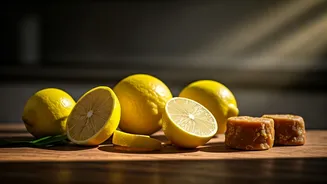
Experimenting with different flavor combinations can be fun and rewarding. For a classic vinaigrette, blend olive oil with balsamic vinegar, salt, and pepper. If you like citrus, try lemon juice with a touch of Dijon mustard and olive oil. To give it a creamy texture, consider adding a dollop of tahini or plain yogurt, which pairs well with lemon juice, garlic, and a pinch of cumin. You can make it spicy by including a dash of chili flakes or sriracha. Asian-inspired dressings can be made by mixing sesame oil, rice vinegar, soy sauce, and ginger. Italian-style dressings often include red wine vinegar, garlic, oregano, and basil. Each variation provides a unique way to enhance your salads, encouraging more variety in your meal plans.
Storage and Usage Tips
Proper storage will help to keep your salad dressings fresh and tasty. Always store homemade dressings in an airtight container, such as a glass jar or a sealed bottle, in the refrigerator. This slows down spoilage and keeps the flavors at their best. Most homemade dressings will last for up to a week. Before using, give the dressing a good shake to remix the ingredients, especially if it has been sitting for a while. You can add the dressing to your salad right before serving to avoid soggy greens. For meal prepping, store the dressing separately from the salad ingredients to maintain freshness and prevent wilting. Also, remember to label your dressings with the date they were made so you know when it is time to use it by. These simple storage and usage tips can help you make the most of your homemade dressings.