



The Betel Leaf Enigma
A recent query from TV actor Aishwarya Sakhuja highlighted a peculiar dietary inclusion: betel leaf, or paan, recommended by her nutritionist to help manage
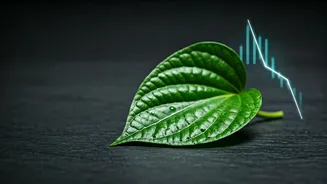
HbA1c levels. This prompted a closer look at this traditional plant, often associated with cultural practices but possessing a rich history in Ayurvedic medicine. Modern science is increasingly investigating the potential health benefits of betel leaves, moving beyond their traditional applications. The HbA1c test, a crucial diagnostic tool, provides a three-month average of an individual's blood glucose, making any effective dietary aid for its reduction a subject of significant interest in diabetes care. This exploration delves into why this specific leaf has garnered attention for its potential role in metabolic health and diabetes management.
Ayurvedic Roots & Scientific Insight
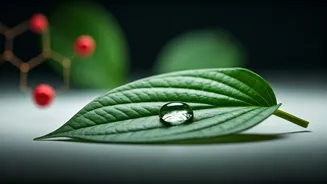
Dr. Vijay Negalur, Head of Diabetology at KIMS Hospitals, Thane, sheds light on the inclusion of betel leaves in diabetes management. He confirms that betel leaves contain plant compounds with notable antioxidant and mild anti-inflammatory properties. Emerging research suggests these compounds may contribute positively to glucose metabolism. Dr. Negalur emphasizes that while betel leaves can be a supportive element, a reduction in HbA1c is typically the result of a holistic approach. This includes consistent healthy eating habits, effective weight management strategies, regular physical activity, and diligent blood sugar monitoring, with the leaves acting as an adjunct to these foundational practices.
Mechanism of Action Unveiled
The primary way betel leaves are thought to assist in diabetes management is by potentially enhancing the body's insulin sensitivity. Dr. Negalur explains that when insulin functions more efficiently, the body is better equipped to utilize glucose present in the bloodstream. This improved utilization can lead to more controlled blood sugar levels. Essentially, by aiding the body's natural insulin response, betel leaves may play a role in preventing excessive sugar buildup, thereby contributing to better overall glycemic control and potentially influencing HbA1c readings over time.
Safety and Consumption Guidelines
For individuals managing diabetes, the question of safety arises with any new dietary intervention. Dr. Negalur assures that consuming betel leaves is generally considered safe, provided they are prepared without any harmful additives. Specifically, it's crucial to avoid any form of tobacco or supari (betel nut) filling, which would negate any potential benefits and introduce health risks. He recommends incorporating plain betel leaves into the diet, either consumed after meals or by drinking water infused with a boiled betel leaf, as a safe and potentially beneficial practice.
Not a Medicine Substitute
It is paramount to understand that betel leaves, despite their potential benefits, cannot and should not replace prescribed diabetes medications. Dr. Negalur strongly emphasizes this point. He clarifies that betel leaf is a natural remedy and a beneficial addition to a balanced diet, aimed at supporting blood glucose reduction. However, it is not a standalone cure. The HbA1c test reflects long-term blood sugar averages, and achieving significant reductions requires consistent adherence to medical treatments and lifestyle changes. Natural remedies can complement these efforts but do not offer a quick fix or substitute for essential medical care.