







Understanding Tooth Loss
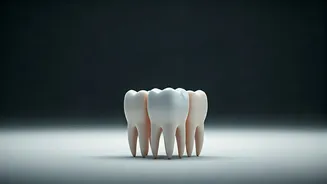
Contrary to popular belief, aging itself isn't the direct culprit behind tooth loss in seniors. Instead, the primary adversaries are chronic gum disease,
commonly known as periodontitis, and persistent tooth decay. These conditions, exacerbated by years of wear and tear, are the leading reasons why many elderly individuals experience tooth loss, often necessitating the use of dentures. Statistics indicate that the combined impact of cavities and gum ailments accounts for over half of all tooth loss incidents. Therefore, it's not simply the passage of time, but rather the cumulative effect of specific oral health issues and lifestyle factors that contribute to this decline. Conditions such as neglecting proper oral hygiene, indulging in smoking, experiencing dry mouth, and managing chronic illnesses like diabetes can significantly accelerate these dental problems.
Proactive Prevention Strategies
The excellent news is that preventing tooth loss is entirely achievable through consistent and diligent oral care practices. A cornerstone of this prevention is regular brushing, ideally twice daily, using a fluoride-based toothpaste. It's crucial to employ the correct brushing technique, focusing on gentle, circular motions along the gumline to effectively remove plaque and food particles. Complementing this, daily flossing is essential for cleaning the areas between teeth that a toothbrush cannot reach. For enhanced protection, incorporating an antibacterial mouthwash can further combat harmful bacteria. Beyond daily routines, maintaining a balanced diet is vital; limiting the intake of sugary and acidic foods is recommended, and it's advisable to refrain from brushing immediately after consuming acidic items, allowing saliva a chance to neutralize the acids first, typically waiting around 30 minutes.
Lifestyle and Early Detection
Your overall lifestyle plays a significant role in safeguarding your dental health for the long term. A diet rich in calcium, found in dairy products and leafy greens, and phosphorus, present in fish and eggs, helps strengthen tooth enamel. Consuming crunchy fruits and vegetables not only provides nutrients but also stimulates saliva production, which acts as a natural defense against tooth decay. Furthermore, making conscious choices to quit smoking, moderate alcohol consumption, and effectively manage conditions like diabetes can dramatically reduce the risk of developing serious dental issues. Equally important is recognizing and addressing early warning signs. Symptoms such as increased tooth sensitivity, bleeding gums, persistent bad breath, noticeable gum recession, or even slightly loose teeth should not be ignored. Promptly seeking professional dental advice when these signs appear can prevent minor issues from escalating into major problems, thereby preserving your natural teeth.