







Sequels' Allure Explained
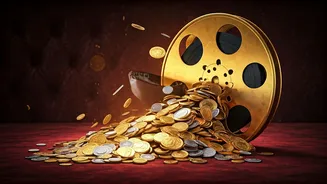
Sequels present a strategic advantage in the film industry, offering a degree of predictability compared to original stories. Building on established fan
bases cultivated by the original film, sequels often benefit from pre-existing audience interest and brand recognition. This pre-awareness typically translates to lower marketing costs. Moreover, the creation of sequels provides a pathway to capitalize on prior successes, enabling studios and producers to minimize financial risks to some degree. However, the reliance on a previous success can also restrict creativity. Sequels need to meet audience expectations while also bringing something new. Balancing these factors is where the challenge arises, making the success of sequels by no means guaranteed.
Box Office Upsides
Some sequels have broken box office records, becoming massive successes. These films were able to connect with audiences again, either by continuing the stories or bringing new elements that kept the fans interested. This can often translate to repeat viewings, merchandise sales, and even extending the franchise with further installments. Films like these are often seen as 'safe bets' for studios, providing financial stability and the potential for huge returns. The popularity of these successful sequels also sets a precedent for the industry, often encouraging filmmakers to explore more follow-up projects in the hope of similar returns. The success of a sequel also heavily depends on the original cast, the quality of the script, and the execution of the project.
Sequels’ Double-Edged Sword
While some sequels are box office hits, the reality is that many fail to live up to the original. This can lead to decreased audience interest and damage the reputation of the film series. Factors such as a lack of creativity, poor scripting, or the inability to capture the spirit of the original can contribute to this downfall. Sequels can sometimes feel formulaic or fail to evolve the narrative in a meaningful way, leading to audience disappointment. Negative critical reception and word-of-mouth spread quickly, severely impacting the film's performance. The risk of diluting the brand, upsetting the fan base, and losing money makes sequels a double-edged sword. Success hinges on a range of factors that are hard to get right every time.
Creative Considerations
The creative process involved in making a sequel poses unique challenges. Filmmakers must balance meeting audience expectations with bringing fresh ideas to the table. Some sequels can feel like retreads of earlier stories, failing to provide something new and compelling. The original film's director, writers, and actors may not always be available for a sequel, potentially affecting the quality. Another consideration is the risk of over-saturation; too many sequels can cause franchise fatigue. The creation of a successful sequel demands a delicate balance between honoring the original film's legacy and breaking new ground. This creative balancing act often determines the success of the sequel.
Audience Expectations
Audiences often go into sequels with specific expectations. They want to revisit beloved characters, experience familiar worlds, and see the story continue. Failing to meet these expectations can quickly lead to disappointment. Sequels are often judged against their predecessors. If the new film doesn't live up to the original, it's considered a failure. In modern times, the rise of social media and online reviews has amplified audience feedback. Negative reviews and audience reactions can quickly spread, influencing the performance of the film. Balancing these diverse expectations is one of the most critical challenges for any sequel. The ability to meet these demands is critical to the movie's overall success.
Financial Implications
The financial incentives behind making sequels are significant. Sequels often have larger budgets, aiming for an increase in visual effects or star power, which can lead to higher returns if they succeed. Successful sequels can generate significant revenue, not only through box office sales but also through merchandise, streaming rights, and other related avenues. The film industry is a business, and sequels offer the prospect of financial returns. However, the risk of failure is also present, and flops can lead to substantial losses for studios and producers. Understanding these financial dynamics is crucial. This is what helps shape the industry's focus on sequels and their potential consequences.