






Digestive Assistance Unveiled
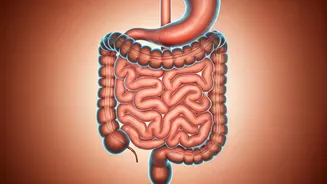
The primary benefit of a post-meal walk, the 'fart walk,' lies in its ability to assist the digestive process. Following a meal, the body initiates the complex
process of breaking down food and absorbing nutrients. A light walk can significantly aid this process. Gentle movement stimulates the muscles of the digestive tract, encouraging food to move smoothly through the system. This helps prevent bloating and discomfort that can often arise after eating. The increased blood flow to the digestive organs, induced by walking, also helps improve the absorption of nutrients. Essentially, a 'fart walk' is a natural way to support the body's digestive functions, leading to improved comfort and potentially, more efficient nutrient uptake.
Bloating and Discomfort
Bloating and the feeling of fullness are common complaints after meals, especially those high in carbohydrates or large in portion size. The 'fart walk' provides a direct solution to these issues. Gentle walking helps to disperse gas that may accumulate in the gut. As the digestive system processes food, gas bubbles can form, causing pressure and discomfort. The movement of walking facilitates the movement of these gas pockets, which provides relief and diminishes the sensation of being bloated. This physical activity contributes to a reduction in the discomfort, allowing the person to feel more comfortable and at ease after having their meals. The walk, in essence, is a practical method to mitigate the unpleasant feelings associated with the digestive process.
Metabolic Boost and Benefits
The advantages of a 'fart walk' reach beyond mere digestive comfort; they extend to metabolic enhancements. After consuming a meal, the body's metabolism shifts to process the food. Engaging in a short walk after eating can slightly accelerate this metabolic process. Walking helps the body utilize the glucose from the meal more efficiently. This can contribute to better blood sugar management, which is essential for overall health. Furthermore, a regular 'fart walk' can help prevent the potential risks associated with prolonged inactivity after eating. By staying active and moving, an individual promotes healthy metabolic function. In summary, the simple act of walking after meals acts as a tool to support metabolic health and contributes to the body's overall well-being.
Implementing the Practice
Incorporating the 'fart walk' into your daily routine is simple and requires little effort. The key is consistency. Aim to take a walk, even for a short duration, after each main meal. The duration of the walk doesn’t have to be extensive; a 10-15 minute stroll can be highly effective. The pace of the walk should be leisurely. Avoid vigorous exercise immediately after eating, as this can sometimes disrupt the digestive process. A light and relaxed pace is ideal, allowing the body to focus on digestion. Make it a habit: integrate the walk into your daily routine, perhaps after lunch or dinner. You can walk around your house, in the garden, or in your neighborhood. Consistency in implementing the 'fart walk' is key to enjoying its benefits. The habit can become an enjoyable part of your day, which will also support your health.
Addressing Misconceptions
Common misconceptions surround the idea of walking after meals, specifically the 'fart walk.' One myth is that any exercise after eating is detrimental to the digestive process. However, this is untrue for light activities like walking. Another misconception is that the 'fart walk' is only beneficial for people who experience digestive issues. While it can certainly help them, it is also highly beneficial for everyone, regardless of the presence of any symptoms. Some people may believe that they need to walk for extended periods to gain any benefits, when in reality, short walks are extremely effective. The 'fart walk' is often mistaken for a complicated health remedy, but it is an easy practice, something anyone can apply with no difficulty. By dispelling the misconceptions, one can fully understand and benefit from this practice.