
The Essence of Pâte Sucrée
Pâte Sucrée, or sweet tart crust, is a foundational element in baking, providing a delicate yet sturdy base for a myriad of desserts. Unlike the flaky
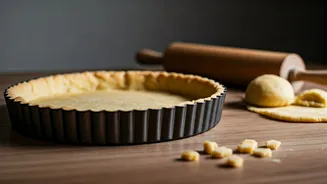
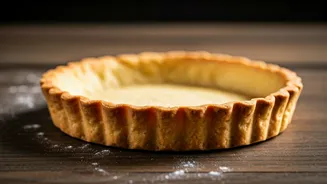
layers of a traditional pie crust (pâte brisée), this dough bakes up with a unique crispness and a subtle sweetness, reminiscent of a buttery shortbread cookie. Its composition is carefully balanced to ensure it can hold rich fillings like chocolate ganache or vibrant fruit arrangements without becoming soggy. The magic lies in controlling gluten development and managing moisture through simple ingredients and precise techniques. This recipe focuses on delivering a reliable, go-to sweet tart dough that performs beautifully whether you're crafting a large, impressive tart or charming mini versions. Its versatility makes it indispensable for both baked and no-bake dessert applications.
Key Ingredients & Their Roles
The foundation of a superior sweet tart crust lies in the careful selection of its components. All-purpose flour provides the necessary structure, its moderate protein content ensuring stability without resulting in toughness. Powdered sugar is crucial for sweetness and contributes to a finer, more tender crumb than granulated sugar would, yielding that desirable shortbread-like texture. A touch of salt is essential to balance the sweetness and enhance the overall flavor profile. Cold, unsalted butter is a star player; when incorporated properly, it coats the flour particles, limiting gluten formation and creating pockets that melt during baking, leading to that signature tender, crisp quality. An egg not only adds richness and moisture but also binds the dough together, contributing to its structure post-baking. Finally, vanilla extract imparts a subtle aroma that complements a wide range of fillings, from fruit to cream.
Techniques for Perfection
Achieving a perfect Pâte Sucrée involves a few critical techniques that ensure its superior texture and stability. The use of cold butter, cut into the flour mixture, is paramount. This step coats the flour, inhibiting excessive gluten development, which results in a tender, shortbread-like crumb rather than a tough crust. Chilling the dough after mixing is equally vital. This period allows the butter to re-solidify and the gluten strands to relax, significantly reducing the likelihood of the crust shrinking or distorting during baking. Furthermore, blind baking, which involves partially or fully baking the crust before adding the filling, is essential. This process dries out the dough and sets its structure, preventing a soggy bottom, especially crucial for moist fillings. Using pie weights during the initial blind bake ensures the crust maintains a flat, even surface, free from undesirable bubbles.
Customization and Variations
While the classic Pâte Sucrée recipe is superb on its own, it also offers delightful avenues for customization. For a slightly different texture, granulated sugar can be used as a substitute for powdered sugar, resulting in a crunchier finish, though it may compromise some of the delicate crumb. To introduce a nutty nuance and a softer mouthfeel, consider swapping up to a quarter cup of the all-purpose flour with almond flour. For those with dietary restrictions, gluten-free flour blends can be incorporated. Flavor profiles can also be altered; replacing vanilla extract with almond extract or fresh citrus zest, such as lemon or orange, can beautifully complement fruit-forward tarts. If using salted butter instead of unsalted, simply omit the added salt in the recipe. These simple adjustments allow for a personalized tart crust that perfectly matches your chosen filling.
Baking and Finishing Touches
The baking process for Pâte Sucrée is designed to achieve optimal crispness and structure. After the dough is chilled, rolled, and fitted into the tart pan, it's often frozen for a short period before blind baking. This extra freezing step further solidifies the butter, aiding in shape retention during baking. The oven should be preheated to 375°F (191°C). During blind baking, parchment paper lined with pie weights (or dried beans/rice) is used to keep the crust from puffing up. After an initial 15-minute bake, the weights are removed. If a partially baked crust is desired for fillings that will continue to cook, it bakes for another 5 minutes until lightly golden. For a fully baked crust, ideal for no-bake fillings, it continues baking for about 10 more minutes until golden brown and cooked through. An optional egg wash can be applied after removing weights to create a glossy finish and a minor moisture barrier. Cooling the baked crust completely on a wire rack is crucial for developing its final crisp texture.
Versatile Applications
A well-executed sweet tart crust is remarkably versatile, serving as the ideal canvas for a wide array of desserts. It forms the perfect base for vibrant fruit tarts, generously topped with fresh berries, kiwi, or stone fruits alongside a luscious vanilla pastry cream. Citrus lovers will appreciate it as the foundation for bright lemon or key lime tarts. For those with a penchant for richness, it excels as the base for decadent chocolate ganache or salted caramel chocolate tarts. It can also be par-baked and filled with nutty frangipane, complemented by fruits like pears or raspberries. The crisp, cookie-like nature of the crust also makes it wonderfully suitable for simpler creations such as jam tarts or elegant strawberry tarts. Furthermore, this dough is perfect for crafting individual mini tarts, offering a delightful bite-sized treat. Its sturdiness, coupled with its tender crumb, ensures it accommodates both baked and no-bake fillings with equal grace.