






Earwax: A Natural Guardian
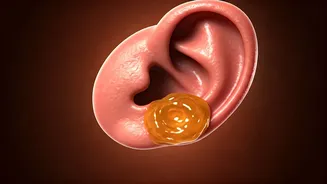
Earwax, medically termed cerumen, is not just a nuisance but a crucial component of your ear's health. Produced by specialized glands within the ear canal,
it serves multiple protective functions. Primarily, it acts as a natural lubricant, preventing the ear canal from drying out. It also forms a sticky barrier that traps dust, debris, and foreign particles, preventing them from reaching the delicate eardrum. Furthermore, earwax contains antimicrobial properties that help ward off bacterial and fungal infections. In essence, it's your ear's self-cleaning and defense mechanism, crucial for maintaining auditory health and comfort. The type of earwax, whether wet and sticky or dry and flaky, is largely determined by genetics.
The Dangers of DIY Removal
Despite their widespread use, common methods for earwax removal like cotton swabs, bobby pins, or ear candling pose significant risks. These tools often don't remove wax but instead push it deeper into the ear canal, potentially leading to impaction. This blockage can cause uncomfortable symptoms such as hearing loss, a sensation of fullness in the ear, ringing (tinnitus), and even dizziness. Inserting sharp objects also carries a high risk of puncturing the eardrum or irritating the sensitive skin of the ear canal, leading to pain and potential infection. Therefore, these popular but unsafe practices should be strictly avoided to protect your hearing and ear health.
Safe Solutions for Buildup
When earwax does build up to a problematic level, several safe and effective methods can be employed. Over-the-counter ear drops, such as those containing carbamide peroxide, are designed to gently soften hardened wax. After application, tilting the head can help the drops penetrate the ear canal. Following the product's instructions is key, often involving a gentle rinse with warm water or a saline solution afterwards. Alternatively, a few drops of mineral oil or baby oil can also serve to loosen stubborn wax. For flushing out softened wax, a bulb syringe filled with warm water or a saline solution can be used with care. It's important to gently pull the earlobe up and back to straighten the ear canal before instilling the solution.
When to Seek Help
While home remedies can be effective for minor earwax buildup, it's crucial to recognize when professional medical intervention is necessary. If you experience severe pain, notice any discharge from the ear, or suffer from significant hearing loss, it's vital to consult a healthcare professional. Attempting to manage severe impaction at home can be dangerous and may exacerbate the problem or lead to further injury. A doctor or audiologist possesses specialized tools, techniques like suction, and the ability to perform gentle irrigation under direct visualization. This ensures the safe removal of impacted wax without damaging the ear canal or eardrum, while also allowing for the diagnosis of any underlying ear conditions.