






Oral Health Matters
The mouth serves as a vital entrance to the body, and its state can indicate health conditions. Regular dental check-ups and good oral hygiene not only
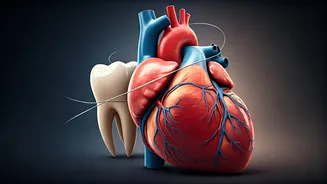
keep your smile bright but also play a critical role in preventing various health problems. Neglecting oral health can lead to localized issues like tooth decay and gum disease, but the implications extend much further. Research has connected poor oral hygiene to a higher risk of heart disease, diabetes, and respiratory infections. The mouth harbors a diverse ecosystem of bacteria, and imbalances can trigger inflammation that spreads throughout the body. Therefore, paying close attention to oral health is a smart investment in overall well-being. It is a proactive step that protects not only the teeth and gums but also shields the body from systemic diseases. Prioritizing oral hygiene, including brushing twice daily, flossing, and regular dental visits, is essential for a healthier and more resilient you.
Systemic Health Signals
Oral health offers a look into a person's systemic health, providing early warnings for various diseases. For instance, signs of gum disease, such as inflamed or bleeding gums, can signal underlying issues such as diabetes. People with diabetes often experience increased susceptibility to gum infections, making oral health management critical for diabetes control. Moreover, the mouth is prone to changes that might show up in systemic diseases. Conditions like oral thrush can be indicators of immune system problems. Similarly, the appearance of ulcers, lesions, or changes in the mouth's soft tissues can be early signs of nutritional deficiencies or even autoimmune diseases. Therefore, dentists and dental hygienists often play a crucial role in detecting and referring patients for further medical evaluations. Recognizing and addressing these oral manifestations allows for earlier diagnosis and interventions for systemic conditions, leading to better overall health outcomes.
The Prevention Advantage
Proactive oral care acts as a powerful preventative measure against various health concerns. Consistent oral hygiene, which includes regular brushing, flossing, and using mouthwash, significantly reduces the risk of tooth decay and gum disease. These practices help eliminate plaque and bacteria, preventing the progression of dental issues that can lead to more serious complications. Regular dental check-ups and professional cleanings are equally vital. Dentists can identify early signs of problems, such as cavities or gum inflammation, and treat them before they worsen. They can also offer personalized advice on oral care techniques and provide treatments like fluoride applications to strengthen tooth enamel. Preventive care extends beyond the mouth; by maintaining good oral health, the risk of systemic diseases associated with oral infections is reduced. This proactive approach strengthens the body's natural defenses, promoting overall health and well-being, while simultaneously reducing the need for costly and invasive treatments later on.
A Smart Investment
Investing in oral health is a smart financial decision with long-term benefits for your overall health. Though regular dental check-ups and treatments might seem like an added expense, the costs pale in comparison to the expenses associated with complex dental procedures, or treatments for systemic conditions linked to poor oral health. Preventing dental problems through good oral hygiene and routine visits can save significantly on future dental bills. Moreover, by taking care of your mouth, you're investing in your general health and well-being. Good oral health helps in better digestion, boosts self-esteem, and lowers the risk of developing serious health conditions. Considering these long-term advantages, investing in oral health is not just about having a healthy smile; it is a holistic approach to saving money, staying healthy, and improving your quality of life. Making oral care a priority is a proactive way to protect your physical and financial health.
Actionable Steps
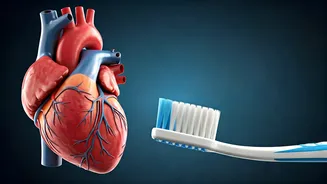
Implementing simple, yet effective, steps into your daily routine is the key to maintaining good oral health. The foundation is proper brushing: using a soft-bristled toothbrush and brushing for at least two minutes, twice a day, is crucial. Flossing daily is equally essential for removing food particles and plaque from areas a toothbrush cannot reach. Use an antimicrobial mouthwash to further reduce bacteria and maintain fresh breath. Schedule regular dental check-ups and cleanings, generally every six months, for professional evaluation and preventive treatments. Additionally, pay attention to your diet; limit sugary snacks and drinks, which feed bacteria that cause tooth decay. Drink plenty of water to rinse away food particles and keep your mouth hydrated. By adhering to these practices, you establish a solid foundation for optimal oral hygiene. These small daily habits contribute significantly to a healthier mouth, a brighter smile, and a healthier overall you.