






Understanding Power Bank Risks
Power banks, indispensable travel companions, pose a unique safety challenge on aircraft due to their lithium-ion batteries. These batteries, if compromised
by damage, defects, or extreme environmental conditions, can initiate a dangerous internal short circuit. This malfunction can trigger a rapid temperature increase, potentially leading to thermal runaway. During this process, the battery self-heats, releasing volatile gases, smoke, and sometimes flames. In the confined space of an airplane cabin, such an event can quickly escalate, compromising air quality and passenger safety. Consequently, airlines enforce stringent guidelines for their carriage to mitigate these risks and ensure swift response in case of an incident.
Airline Cabin Baggage Rules
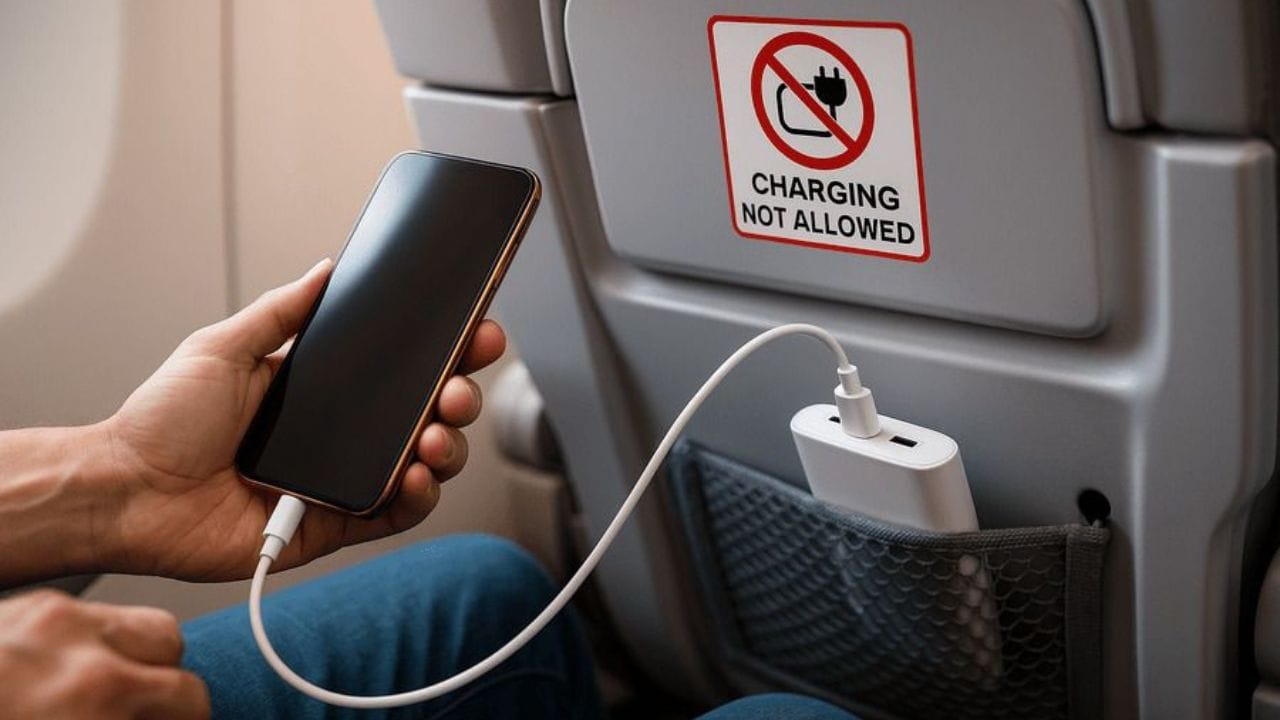
To ensure immediate access and control in case of an emergency, all power banks must be transported in your cabin baggage, never in checked luggage. This policy allows flight crews to address any issues promptly. Major Indian carriers have specific stipulations regarding power banks. For instance, Air India permits power banks up to 100 Wh (approximately 20,000 mAh), with a limit of two spare batteries per passenger, provided they don't exceed 2 grams of lithium metal and are protected against short circuits. IndiGo allows power banks up to 160 Wh, which must be clearly marked, but prohibits their use during the flight. SpiceJet generally permits devices up to 30,000 mAh, also forbidding in-flight usage. Across all airlines, power banks must be easily accessible and not stowed in overhead compartments.