




Decoding Leaf Damage
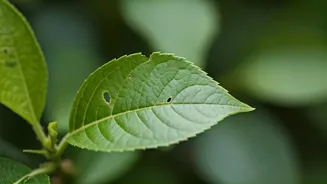
Observing holes in your plant's foliage can be alarming, but understanding the source is the first step to recovery. These imperfections aren't random;
they're usually a signal from pests, diseases, or even local wildlife munching on your greenery. Identifying the specific pattern of damage—whether it's ragged edges, perfectly round perforations, or chewed-off buds—helps pinpoint the culprit. This knowledge empowers you to select the most effective treatment, ensuring your plants thrive without resorting to harsh chemicals. By recognizing the subtle clues left behind, you can protect your precious plants and maintain a flourishing garden ecosystem.
Insect Invaders
A variety of chewing insects can transform your plant's leaves into a buffet. Caterpillars, the larval stage of butterflies and moths, are notorious for their appetite, often leaving ragged edges or devouring entire leaves, sometimes leaving behind tell-tale signs like black pepper-like frass (droppings) or webbing. Slugs and snails, active after rain, leave distinctive slimy trails and can cause significant damage quickly, laying gelatinous egg clusters to continue their infestation. Other common chewing insects, including Japanese beetles, aphids, and thrips, also contribute to leaf damage, often creating irregular holes and sometimes causing leaves to yellow and wilt. Effective control involves tailored approaches, from physical removal to natural deterrents and protective barriers.
Wildlife Visitors
Your garden isn't just for you; it's also a potential dining spot for local wildlife. Animals like groundhogs, chipmunks, rabbits, and even deer can cause substantial leaf damage. While deer might nibble entire buds off plants like roses or sedums, leaving them bare, other creatures might chew leaves down to the stem. Evidence of wildlife presence can include chewed vegetation and, of course, animal feces. Protecting your plants from these visitors often requires robust physical barriers such as sturdy fencing, chicken wire, or netting, particularly for more determined animals like groundhogs. For nocturnal visitors, motion-activated lights might offer a temporary deterrent, but consistent physical protection remains the most reliable strategy.
Fungal Follies
Beyond insects and animals, fungal and bacterial diseases are significant contributors to leaf damage. Conditions like bacterial spot can manifest as holes, while other fungal infections cause leaves to discolor, turning brown or yellow, or develop rough, dry spots. Plants suffering from disease may also exhibit wilting and premature leaf drop. Identifying the specific pathogen can be challenging, so many gardeners opt for general preventive measures. Once a fungal disease has taken hold, the most effective immediate remedy is to remove and discard the affected leaves. Additionally, a homemade spray using baking soda can help prevent further spread of fungal issues, offering a natural treatment for both houseplants and garden plants.
Swift Solutions
Addressing leaf damage efficiently starts with prompt identification of the cause. For insect-related issues, methods range from gentle hand-picking caterpillars to using slug traps and applying natural insecticidal sprays. Physical barriers like netting are excellent for deterring larger pests. In cases of wildlife intrusion, constructing fences or using protective covers is crucial. For fungal diseases, isolating and removing infected leaves is paramount, complemented by preventive sprays. Sometimes, the simplest solution for damaged leaves is pruning them away entirely; this not only removes the imperfection but also encourages the plant to produce new, healthy growth, restoring its vigor and appearance.