





Identify Hot Zones
To effectively combat summer's intense heat, the initial crucial step involves meticulously identifying the areas within your garden that succumb to the sun's
ferocity the quickest. Take a thorough walk through your garden during the sun's peak intensity, observing which spots show signs of distress first. Typically, open expanses like lawns, garden beds facing south, and patches of exposed soil tend to heat up much more rapidly. Conversely, sheltered nooks or areas shaded by mature trees retain a cooler microclimate. By pinpointing these specific 'hot zones,' you can strategically concentrate your protective measures and watering efforts precisely where they are most needed, optimizing resource allocation and ensuring no plant is left to suffer unnecessarily.
Mulch for Cool Roots
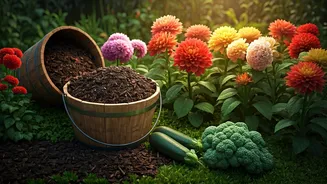
One of the most impactful yet straightforward methods to insulate your plants from oppressive ground heat is by applying a generous layer of mulch. This protective covering acts as a thermal blanket for the root systems, which are particularly vulnerable to high temperatures. Opt for organic materials like straw, fallen leaves, wood chips, or compost, spreading them thickly around the base of your flowers, vegetable plants, and shrubbery. Beyond temperature regulation, this mulch layer significantly reduces the rate at which moisture evaporates from the soil, thereby conserving precious water. It also serves the beneficial purpose of suppressing weed growth, which competes with your plants for water and nutrients, ultimately helping your garden remain healthier and more robust throughout extended periods of intense sunshine.
Strategic Watering Timing
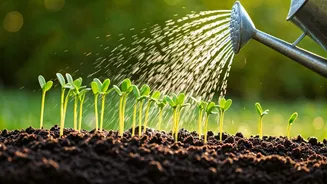
Effective watering during periods of extreme heat hinges significantly on timing. To maximize water absorption and minimize evaporative loss, it is most beneficial to water your garden either very early in the morning, before the sun's rays gain strength, or late in the evening after the day's heat has dissipated. This allows the moisture to penetrate deeply into the soil, encouraging root systems to grow downwards in search of water, which in turn builds greater plant resilience. Frequent, shallow sprinklings are less effective; instead, focus on delivering a thorough, deep watering that reaches the lower soil strata. Employing tools like a watering can or a drip irrigation system ensures that the water is delivered directly to the plant roots where it is most needed, enhancing efficiency.
Provide Cooling Shade
Even plants that typically thrive in full sun can benefit from temporary respite during the most intense heat of the day. Creating artificial shade for vulnerable specimens is a vital protective measure. This can be achieved through various simple means, such as draping lightweight cloth, shade netting, or even strategically placed umbrellas over susceptible plants. You can also leverage existing garden structures, like trellises adorned with climbing vines, to cast natural shadows. Alternatively, positioning taller, more robust plants to shield smaller, delicate ones can offer a natural form of protection. By mitigating direct sun exposure during the peak heat hours, you provide your plants with an essential opportunity to recover and conserve their energy, preventing wilting and stress.
Choose Heat-Tolerant Varieties
When selecting plants for your garden, especially if you're anticipating hot weather, it's wise to prioritize varieties that have a natural affinity for warmer climates. Native species, for instance, are often exceptionally well-adapted to local conditions, including heat and drought. Succulents, known for their water-storing capabilities, and many hardy perennial flowers are also excellent choices. Similarly, certain drought-resistant herbs can flourish even when temperatures soar. Incorporating these heat-tolerant plants alongside those that may be more sensitive ensures that your garden maintains its visual appeal and vitality throughout the summer months, requiring less intensive intervention and management.
Boost Soil Vitality
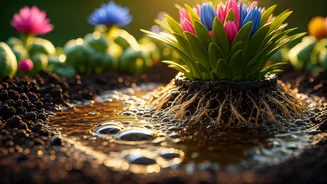
The foundation of a resilient garden, particularly one facing heat stress, lies in the health and structure of its soil. Rich, well-amended soil possesses a superior capacity to retain moisture, deliver essential nutrients to plant roots, and generally support plants in their struggle against environmental pressures. Regularly enriching your soil with organic matter, such as well-rotted compost or manure, significantly improves its texture and fosters a thriving ecosystem of beneficial microorganisms. Furthermore, covering any bare patches of soil with low-growing ground cover plants or hardy herbs not only prevents the soil from cracking and absorbing excessive heat but also creates a cooler, more stable environment for root development, enhancing overall plant tenacity.
Vigilant Plant Care
During periods of intense heat, a proactive approach to monitoring your plants is indispensable. Regularly observe your greenery for any signs of distress, which can manifest as drooping leaves, edges scorched by the sun, or flowers beginning to wilt. These symptoms are early indicators that your plants are struggling. Swift, decisive action can often avert significant damage. This might involve providing an extra watering, relocating potted plants to a shadier spot, or reinforcing temporary shade structures. By addressing these issues promptly, you significantly increase the likelihood of your garden remaining strong, healthy, and in bloom, even when subjected to the most challenging weather conditions.