





Why Salvage Yarn?
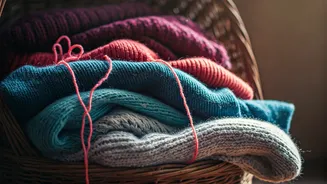
Many of us have that one sweater—perfectly soft, a favorite color, yet showing signs of wear like stretched fabric or small tears. Instead of discarding
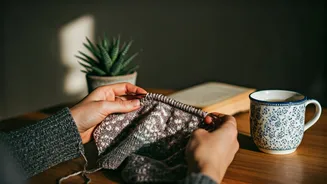
it, consider the treasure it holds: yarn. For crafters, especially knitters and crocheters, high-quality yarn can be quite an investment, with fine wools and cottons being particularly costly. By carefully unraveling a sweater, you gain access to this valuable material, allowing you to reuse the yarn as-is or even re-spin it to achieve a different texture. This process is ideal for natural fibers like wool and cotton. While synthetic yarns like acrylics might not always be worth the effort unless you have a specific sentimental attachment or need a unique color, natural fiber yarns are excellent candidates for this resourceful endeavor. The key is to recognize that while the unraveling itself demands time and patience, the resulting yarn can significantly reduce the cost of future crafting projects and enable unique, personalized creations.
Choosing the Right Sweater
Selecting the correct sweater for unraveling is crucial for a successful outcome. First, ensure the yarn hasn't been felted; if a wool sweater has been subjected to hot water or high heat in a dryer, its fibers will have bonded together, making unraveling impossible. For beginners, opt for sweaters with a smooth finish where the stitches are clearly defined and easy to distinguish. Avoid fuzzy yarns like mohair, angora, or alpaca, as their tangled nature makes them significantly more challenging to work with. Sweaters made from 100% natural fibers, like pure wool or cotton, are generally the easiest to unravel. Thicker yarns are also more manageable than very fine threads. Additionally, pullovers tend to yield longer, continuous strands of yarn compared to cardigans, which are often constructed in separate panels and may have seams that interrupt the yarn flow. Careful selection ensures a smoother and more rewarding unraveling experience.
The Unraveling Process
To begin the rewarding process of transforming an old sweater into usable yarn, start by washing the garment. Handwashing and then laying the sweater flat to air dry will preserve its structure and make the yarn easier to handle. Once dry, turn the sweater inside out to locate the seams. Using a seam ripper, carefully undo the stitching, usually a chain stitch, starting from the wrist and working up to the underarm, then down the side seam. Repeat this for both sleeves and the body. You'll typically end up with the front and back panels, the sleeves, and the collar detached. Now, focus on unraveling each piece. Most sweaters are knit from the bottom up, so you'll want to start at the top edge of each section where the yarn end is located. Gently use the seam ripper to loosen the first stitch and then begin pulling the yarn free. As you unravel, it’s vital to manage the yarn to prevent tangling. You can wind it directly onto a yarn winder, wrap it around a sturdy piece of cardboard, or create a hank by wrapping it around your hand or a swift. This organized approach will save you considerable frustration later on.
Creative Yarn Projects
With your salvaged yarn in hand, a world of creative possibilities unfolds. If the yarn's texture isn't quite to your liking, or if you envision combining it with other fibers, you can re-spin it. This involves carding the yarn to break it down into untwisted fibers, which are then attached to a leader yarn. Using a spinning tool or wheel, these fibers are twisted together to create a new, stable yarn. The result can be used in any fiber art, including knitting, crocheting, or weaving. Alternatively, use the yarn as-is to craft entirely new items. Consider knitting or crocheting a cozy scarf, a warm hat, or even a completely new sweater. For your home, you could create a decorative throw pillow, a soft blanket, a stylish table runner, or a comfortable bed for your pet. If you've worked with wool, consider making eco-friendly wool dryer balls. Another fulfilling option is to donate your newly acquired yarn stash to senior centers or local recreation agencies that actively seek materials for their crafting programs, sharing your resourcefulness with others.