






Oats' Cholesterol Impact
Recent research from the University of Bonn, published in Nature Communications, has shed light on the remarkable effects of incorporating oats into one's
diet, even for a brief period. A study involving participants with metabolic syndrome—characterized by issues like high body weight, elevated blood pressure, and imbalances in blood glucose and lipid levels—demonstrated significant improvements in cholesterol profiles after just two days on a calorie-reduced diet predominantly featuring oatmeal. Astonishingly, this positive effect persisted for approximately six weeks following the short dietary intervention, highlighting oats' potent influence on cardiovascular markers.
The Fibre Factor
The key to oats' cholesterol-lowering prowess lies in their rich fiber content, as explained by Dr. Deepali Sharma, a clinical nutritionist. This dietary fiber, particularly the soluble kind found abundantly in oats, actively works to reduce levels of low-density lipoprotein (LDL) cholesterol, often referred to as 'bad' cholesterol. By regularly consuming oats, individuals can contribute to a decrease in LDL cholesterol, thereby substantially lowering their risk of developing cardiovascular diseases. This direct impact on cholesterol management makes oats a vital component of a heart-healthy eating plan.
Beyond Cholesterol
The benefits of oats extend far beyond just cholesterol management. Dr. Sharma highlights their role in promoting satiety, the feeling of fullness, which can naturally curb overall calorie intake and aid in weight management. Furthermore, oats are instrumental in stabilizing blood sugar levels. Their fiber and complex carbohydrate composition are digested slowly, leading to a gradual release of glucose into the bloodstream. This prevents abrupt spikes and subsequent crashes, making oats an excellent choice for individuals managing diabetes or striving for consistent energy throughout the day. The soluble fiber also plays a crucial role in maintaining a healthy digestive system by promoting regular bowel movements and preventing constipation.
Choosing Your Oats
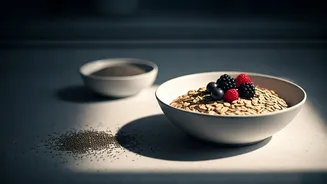
When it comes to incorporating oats into your diet, a variety of options cater to different preferences and needs. Steel-cut oats, also known as Irish oats, are whole oats precisely cut with steel blades. They boast a nutty flavor and chewy texture, and their slower digestion keeps you feeling full longer while helping to regulate blood sugar by lowering the glycemic index. Rolled oats, the traditional 'old-fashioned' variety, are toasted, hulled, steamed, and then flattened. They offer a mild, soft texture and absorb liquids readily, making them versatile for various preparations. Instant oats are pre-cooked, dried, and thinly rolled for quick convenience, ideal for fast meal preparation. Lastly, oat bran, the outer layer of the oat groat, is packed with insoluble and dietary fiber, protein, and iron, offering a concentrated nutrient boost.