




A Cultural Hub Emerges
The Kala Ghoda Arts Festival, a premier event in Mumbai, stands as a testament to urban placemaking by transforming the city's public areas into dynamic
cultural centers. This extensive multidisciplinary street arts festival, held annually in the historic South Mumbai district, unfurls over nine days, turning the entire precinct into a lively canvas. It becomes a magnet for artists and enthusiasts from across the globe, fostering a unique blend of installations, captivating performances, and insightful heritage journeys that celebrate the spirit of art and community engagement.
Festival Origins and Scope
Initiated in 1999 by the dedicated Kala Ghoda Association, the festival was conceived with the ambitious goal of preserving and championing the rich cultural legacy of South Mumbai's distinguished arts district. What began as a focused effort has since blossomed into a significant cultural phenomenon. Today, it proudly presents a wide spectrum of artistic disciplines, including captivating visual arts, soul-stirring music, engaging theatre, graceful dance, compelling cinema, insightful literature, and innovative design. A key aspect of its philosophy is accessibility, with the majority of these enriching experiences offered completely free of charge and open to the general public.
The Iconic Venue
The festival finds its home in Mumbai's renowned Kala Ghoda precinct, an area steeped in history and character. This neighborhood is instantly recognizable for its striking colonial-era architecture and significant cultural landmarks, such as the esteemed Chhatrapati Shivaji Maharaj Vastu Sangrahalaya and the renowned Jehangir Art Gallery. During the festival, these streets undergo a magical transformation, buzzing with an array of stunning installations, impromptu performance stages, and a multitude of engaging cultural events that breathe new life into the historic surroundings.
Diverse Experiences Await
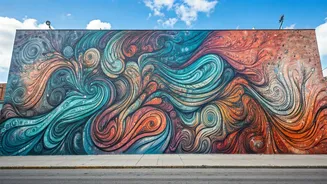
Attendees of the Kala Ghoda Festival are treated to an eclectic mix of artistic delights. They can marvel at expansive public art installations that redefine urban spaces, immerse themselves in vibrant photography and painting exhibitions, and enjoy live music concerts spanning various genres. The festival also features theatrical productions, film screenings that offer cinematic journeys, and intellectual literary sessions. Moreover, special zones are curated for children, alongside dedicated areas for street art exploration, artisanal crafts, and cutting-edge contemporary design, ensuring that every visitor, regardless of age, finds something to captivate their interest.
Heritage and Storytelling
A particularly cherished aspect of the festival includes meticulously guided heritage walks. These tours offer participants an in-depth exploration of South Mumbai's profound historical layers, its distinctive architectural narratives, and the captivating cultural stories that have shaped the city. By delving into the city's colonial past, tracing its artistic evolution, and understanding the development of its key cultural institutions, these walks provide a richer, more contextualized appreciation of Mumbai's enduring legacy.
Gastronomy and Local Commerce
Beyond the visual and performing arts, the festival cultivates a lively marketplace brimming with unique finds. Visitors can discover a curated selection of handcrafted products, innovative indie brands, and exquisite artisanal goods. A delightful array of food stalls and pop-up eateries tantalize taste buds with diverse cuisines, seamlessly blending the event into a comprehensive cultural and culinary adventure. This vibrant bazaar also serves as a crucial platform for supporting small businesses and nurturing the growth of emerging creative talent within the community.
Art's Societal Footprint
The Kala Ghoda Arts Festival extends its influence far beyond mere entertainment, playing a pivotal role in democratizing art. By strategically bringing creative expressions into public domains and maintaining free access, it actively encourages widespread community participation in the arts. This inclusive approach fosters the development of emerging artists and significantly reinforces Mumbai's stature as a preeminent cultural capital on the global stage.