





Berry Beginnings
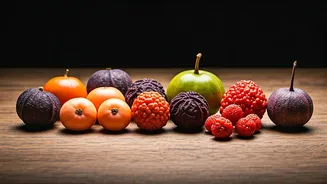
India boasts a remarkable array of indigenous berries, each with its own special qualities. These fruits, often overlooked, are packed with essential nutrients
and offer a range of health benefits. These berries contribute significantly to the local diets and traditional medicinal practices. From the familiar Amla to the less-known Chironji, each berry has a unique profile and a fascinating history. This article aims to bring these often-unsung heroes of the Indian food scene into the spotlight, offering an in-depth look at their characteristics and contributions to our well-being.
Amla (Indian Gooseberry)
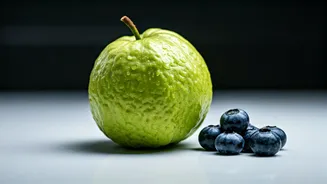
Amla, also known as the Indian gooseberry, is a nutritional powerhouse. Celebrated for its high vitamin C content, amla has been used for centuries in Ayurvedic medicine. These tart berries are often consumed in various forms, including raw, pickled, or as a component in rejuvenating herbal formulations. Beyond its vitamin C content, Amla is also rich in antioxidants and offers a range of health benefits, including boosting immunity and promoting healthy skin and hair. Consuming Amla on a regular basis can contribute towards improved overall wellness. These berries can be found throughout India, and their versatility makes them a staple in many Indian households.
Jamun (Indian Blackberry)
Jamun, or the Indian blackberry, is another noteworthy berry with deep purple hues and a unique sweet-tart flavor. Native to the Indian subcontinent, Jamun holds significant cultural and medicinal importance. These berries are often consumed during the summer months due to their cooling properties. Moreover, Jamun is known to be beneficial for managing blood sugar levels, and is frequently recommended for individuals with diabetes. The fruit's seed is also used in traditional remedies. Packed with antioxidants, Jamun is not only delicious but also provides several health benefits that promote well-being.
Ber (Indian Jujube)
Ber, also called the Indian jujube, has a distinctive appearance and flavor. These berries come in various shapes and sizes, ranging from small, round fruits to larger, elongated ones. Rich in vitamin C and fiber, Ber is a nutritional treat that is especially popular during the winter. Ber is often eaten fresh, dried, or candied, offering versatile culinary options. These berries are also known for their potential to aid digestion and boost the immune system. With its unique texture and sweet taste, Ber is a delightful addition to the Indian fruit landscape, offering both a flavorful experience and several health benefits.
Lasora (Cordia Dichotoma)
Lasora, also known as Cordia dichotoma, is a less familiar berry, yet it holds a special place in the Indian culinary tradition. These fruits are known for their sticky, translucent flesh and slightly sweet taste. Lasora is often used in pickles and curries, adding a unique texture and flavor to the dishes. The berry is a source of essential nutrients and provides several health benefits. In addition to its culinary uses, Lasora has traditional medicinal applications and is often used in home remedies. Although it might not be as well-known as other berries, Lasora still makes a valuable contribution to the diversity of Indian cuisine.
Kokum (Garcinia Indica)
Kokum, or Garcinia indica, is a vibrant crimson berry primarily used as a flavoring agent. Kokum is most often used in the coastal regions of India, adding a tangy and refreshing taste to various dishes. Its tangy flavor enhances curries, drinks, and desserts. Kokum has various health benefits, including being rich in antioxidants and possessing anti-inflammatory properties. Furthermore, Kokum is known for aiding digestion and promoting overall gut health. Apart from its culinary uses, Kokum is also used to prepare refreshing drinks during the hot summer months. It is an integral part of the regional cuisine, making it an essential ingredient in many households.
Karonda (Carissa Carandas)
Karonda, or Carissa carandas, is another small but potent berry known for its tartness. Karonda is commonly used in pickles, jams, and chutneys due to its tangy taste. These berries are a good source of vitamins and antioxidants and are often consumed as a part of a balanced diet. Karonda is also believed to have several health benefits, like helping to improve digestion and boosting immunity. These berries are readily available in India and contribute to the rich diversity of Indian cuisine. Karonda's unique flavor and texture make it a popular choice for adding a twist to many culinary creations.
Sohphie (Garcinia Pedunculata)
Sohphie, or Garcinia pedunculata, is an important berry found in specific regions of India. These berries are known for their unique taste and medicinal properties. Sohphie is often used in traditional remedies and is believed to have various health benefits. It is also used in culinary practices, enhancing the flavor of dishes. Sohphie’s importance goes beyond just its taste; it offers various health-boosting elements. It is particularly valued in certain regions and plays a crucial role in local traditions and well-being. This berry is a testament to India's wide-ranging natural resources.
Phalsa (Sherbet Berry)
Phalsa, also known as the Sherbet Berry, is a tiny berry that is famous for its sweet and sour taste. Phalsa is commonly used to make refreshing summer drinks and sherbets. Its refreshing qualities make it a popular choice during the hot months. The fruit provides nutrients, including vitamins and antioxidants. These berries are believed to provide many health benefits, from aiding digestion to boosting the immune system. Phalsa, with its vibrant flavor, holds a place in the Indian culinary scene, providing both refreshment and various health benefits. Phalsa is another fantastic addition to India’s diverse range of fruit varieties.
Chironji Berry (Buchanania Lanzan)
Chironji berry, also known as Buchanania lanzan, is a tiny but valuable berry that’s an essential part of the Indian diet. These berries are known for their nutty flavor and are frequently used in sweets and savory dishes, providing a unique taste and texture. Besides its culinary uses, Chironji is also considered to be beneficial for health, with antioxidant properties. Chironji adds to the diverse range of ingredients found in Indian kitchens. The use of Chironji highlights the country's rich culinary traditions and the importance of native ingredients in everyday life, making it a valuable addition to both food and health.