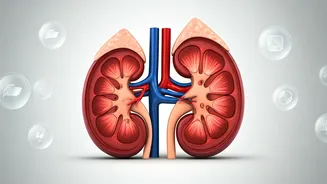








The Kidney Connection
Many people focus on muscle gains and performance, often overlooking their kidneys—the unsung heroes filtering waste. Globally, a staggering 850 million
individuals face kidney disease, with many more unaware of early-stage damage. This growing concern has prompted experts to examine modern fitness habits, especially the prevalent use of high-protein diets and supplements, and their potential strain on renal function. The latest research highlights Chronic Kidney Disease (CKD) as a significant global health threat, underscoring the importance of understanding how our lifestyle choices, including intense workout regimes and supplement reliance, can impact these vital organs. It's time to bridge the gap between fitness aspirations and kidney well-being, ensuring that the pursuit of a healthier body doesn't inadvertently compromise its essential filtering system.
Protein's Renal Load
Protein is fundamental for muscle repair and growth, but its metabolism generates nitrogenous waste that the kidneys must process. When protein intake, especially through supplements, escalates, the kidneys work harder, increasing filtration activity. While healthy kidneys can manage this surge temporarily, sustained high protein consumption places a continuous, increased burden on these organs over time. This prolonged strain may lead to a gradual decline in renal function. Experts emphasize that while healthy individuals can tolerate moderately increased protein in the short term, consistency in high intake demands vigilant attention to kidney health. The body efficiently uses a certain amount of protein for muscle synthesis; any excess is primarily processed and excreted, highlighting that more protein doesn't automatically equate to greater muscle gains.
Creatine's Safety Profile
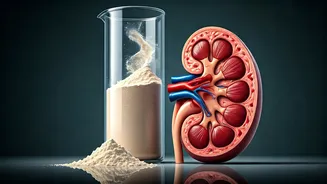
Creatine is one of the most extensively researched performance enhancers, and current scientific consensus indicates it's generally safe for healthy individuals at standard doses of 3-5 grams daily. Extensive reviews have found no significant long-term impact on actual kidney function, as measured by Glomerular Filtration Rate (GFR). The primary effect observed is a minor, harmless elevation in serum creatinine levels, which can sometimes be mistaken for a sign of kidney issues by healthcare providers unfamiliar with supplementation. While recommended doses are safe, excessive or unsupervised creatine use can still raise concerns. It's crucial for individuals to be aware of this potential marker confusion during medical tests and to consult with healthcare professionals if they are taking creatine, ensuring proper interpretation of results.
The Supplement Stack Risk
The real concern for kidney health often lies not in individual supplements but in the practice of 'stacking' multiple products. Combining protein powders with creatine, amino acid blends, and pre-workout drinks can significantly amplify the metabolic load on the body. Protein supplements increase nitrogen metabolism, while creatine influences muscle energy and leads to increased creatinine. When these are taken together, especially alongside an already high-protein diet, the cumulative effect can push intake levels beyond what the kidneys can comfortably manage. Inadequate hydration exacerbates this by concentrating waste products, further straining renal filtration. This layered approach, often driven by fitness trends and social media advice rather than professional guidance, poses a greater risk than using any single supplement in moderation.
Kidney-Safe Muscle Building
Achieving fitness goals without jeopardizing kidney health hinges on a balanced approach. Prioritizing adequate hydration is paramount, especially during strenuous workouts and in hot weather, as dehydration directly stresses the kidneys. Complementing this with a balanced, whole-food diet rich in natural protein sources like pulses, dairy, eggs, fish, and lean meats is essential. Supplements should serve as a supplement, not a replacement, for dietary intake and should only be used when necessary and ideally under the guidance of a qualified nutritionist. Responsible supplementation involves making informed choices based on individual needs rather than popular trends. Choosing clean-label products and ensuring proper hydration are key safeguards to protect renal function while pursuing fitness aspirations.