


Serene Muted Blues
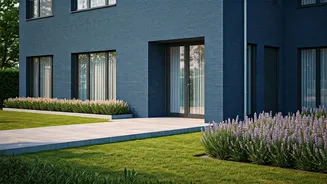
In the coming year, expect a significant trend towards muted, sophisticated blue tones for home exteriors. These shades offer a sense of calm and connection
to nature, aligning with biophilic design principles. Unlike lighter blues that can accentuate every flaw, these deeper, more subdued blues have a remarkable ability to smooth over imperfections, creating a unified and harmonious appearance. Their adaptability makes them suitable for a wide range of architectural styles, from coastal cottages to mountain retreats, providing softness and approachability while complementing the surrounding landscape. These blues don't overpower but rather enhance the home's existing structure and interaction with natural light, contributing to an effortlessly chic curb appeal that feels both welcoming and grounded.
Sophisticated Gray Neutrals
Gray is set to make a strong statement, moving beyond its sometimes dreary reputation to become a sophisticated neutral for home exteriors. The key lies in selecting grays that act as soft reflectors rather than light absorbers, imbuing the home with a luminous quality. These nuanced grays are particularly striking when paired with crisp white accents, creating a clean and cohesive aesthetic that boosts curb appeal. Furthermore, deep, grounding grays, almost black in their intensity, will offer architectural clarity and a powerful sense of presence. While these dark hues provide a dramatic anchor and contrast, it's important to acknowledge the practical considerations, such as increased maintenance due to dust and fading, and the need for more frequent upkeep to maintain their pristine appearance.
Earthy, Mellow Greens
While green can be a divisive choice for home exteriors, specific muted and putty-colored hues are gaining traction for their ability to recede into the natural environment. These nature-inspired greens help to calm the overall visual energy of a home, allowing its architectural features and textures to take center stage. They offer a more understated approach than vibrant greens, creating a sophisticated and peaceful facade. For those hesitant about a full green commitment, a clever application involves using a softer green on the main house and a contrasting herbaceous green on elements like shutters. This layered approach adds depth and visual interest without being overwhelming, contributing to a pastoral and romantic character.
Warm Off-Whites
Moving away from stark, brilliant whites, the trend is leaning towards more nuanced and warmer off-white shades for exterior paint. These colors offer a softer, more romantic, and pastoral feel, particularly when they possess subtle undertones that add depth. Imagine an off-white that reads almost like a cream from a distance, evoking a sense of history and character. When paired with natural accents like limestone, these warm whites create a look that is both understated and charming, reminiscent of storybook cottages and timeless countryside aesthetics. They provide a gentle, inviting presence that feels both welcoming and sophisticated, offering a refined alternative to brighter white options.
Subtle Green Undertones
For homeowners looking for a touch of color that feels both modern and connected to nature, exterior paints with subtle green undertones are a prime choice. These shades strike a perfect balance, offering a hint of color without appearing too bold or overly saturated. They are particularly effective on traditional facades, but their versatility extends to contemporary architecture as well. The trick to successfully applying these colors is to avoid overly bright or intense versions, opting instead for those that possess a natural, calming quality. This approach allows the home to blend harmoniously with its surroundings, creating a serene and visually pleasing exterior.
Moody Blues Elevated
Moody blues are emerging as a significant trend in exterior home design, offering a sophisticated and calming aesthetic. These are not your typical bright blues, but rather deeper, more nuanced shades that evoke the serenity of the ocean or sky. Their appeal lies in their ability to create a sense of depth and tranquility, acting as a grounding element for the home's facade. Designers are favoring blues with just the right mix of blue and green undertones, ensuring they remain inviting rather than overpowering. This sophisticated approach allows the color to complement a wide range of architectural styles, providing a timeless and elegant finish.
Grounding Dark Neutrals
The allure of dark exteriors, particularly deep, almost black hues, remains strong. These colors provide an immediate sense of architectural clarity and striking contrast, effectively anchoring the home and giving it a commanding presence. They create a bold statement without being overwhelming, offering a sophisticated and modern finish. However, embracing such dark colors requires a mindful approach to maintenance. Dust, pollen, and signs of wear can become more apparent on darker surfaces, and there's a greater susceptibility to fading over time. Despite these considerations, the dramatic impact and timeless elegance of dark neutrals continue to make them a favored choice for those seeking a powerful curb appeal.
Reflective Greys with Accents
Beyond just a neutral backdrop, certain gray paint colors are being chosen for their light-reflective qualities, creating a luminous effect on home exteriors. These aren't the heavy, dim grays of the past, but rather shades that softly bounce light, enhancing the home's visibility and appeal. Their true magic, however, is often revealed when paired with bright white accents. This combination creates a clean, dynamic contrast that significantly elevates curb appeal, making the home appear polished and inviting. This pairing is particularly effective for achieving a cohesive look that feels both classic and contemporary, drawing attention to the home's architectural details.