







Sparkling Hardwood Shine
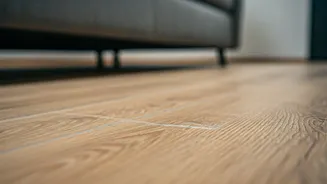
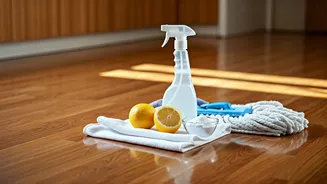
Achieve a brilliant shine on your hardwood floors with just three readily available household items. Instead of harsh chemicals, a simple mixture can effectively
lift dirt and restore luster. Combine a small amount of mild dish soap with warm water and a few drops of essential oil for a pleasant scent. Gently mop the floors, ensuring not to oversaturate the wood, and then buff dry with a clean microfiber cloth. For tougher spots or scuff marks, a paste made from baking soda and a little water can be applied cautiously, then wiped away and buffed. This method not only cleans but also protects the sealant, keeping your hardwood looking its best for longer, a far cry from costly specialty polishes.
Vinegar's Cleaning Power
Vinegar, a pantry staple, offers a powerful yet gentle solution for a variety of floor cleaning needs. Its acidic nature makes it excellent at cutting through grease and grime, making it ideal for tackling sticky residue on kitchen tiles or even the persistent film inside an air fryer. For floors, a diluted solution of white vinegar and water can work wonders, effectively sanitizing and leaving surfaces streak-free. Avoid using it on unsealed hardwood or natural stone as the acid can cause damage over time. When cleaning an air fryer, a bowl filled with vinegar and water, heated inside the appliance, will loosen hardened grease, making subsequent wiping effortless and leaving the appliance sparkling.
Peroxide for Bathroom Floors
Hydrogen peroxide is a surprisingly effective and versatile cleaner, particularly for bathroom floors. Its mild bleaching and disinfectant properties make it ideal for tackling soap scum, mildew, and general grime often found in bathrooms. Apply undiluted hydrogen peroxide directly to the affected areas, let it sit for a few minutes to break down stains and kill germs, then scrub with a brush. Rinse thoroughly with water and wipe dry. This method is a great alternative to harsh chemical cleaners, offering a safer and more environmentally friendly approach to maintaining a clean and hygienic bathroom space.
Salt Residue Solutions
Winter weather often leaves behind unsightly salt residue on floors, which can be tough to remove and damaging if not treated correctly. Instead of aggressive scrubbing, a simple and effective solution involves warm water and a mild detergent. For tougher salt stains, a mixture of equal parts white vinegar and water can be applied. Gently wipe the affected areas, allowing the solution to break down the salt crystals. Follow up with a clean, damp cloth to rinse, and then dry the area completely to prevent water spots. This approach safely lifts the residue without damaging your flooring, whether it's laminate, tile, or sealed wood.
Fresher Mop Water
Elevate your mopping routine by adding simple household items to your water for a naturally fresher scent. Beyond just masking odors, these additions can also boost cleaning power. Consider adding a few drops of your favorite essential oil, like lemon or lavender, to your mop bucket. A splash of white vinegar can also help neutralize odors and add a bit of extra cleaning oomph. For a deodorizing effect, a tablespoon of baking soda stirred into the water can be surprisingly effective. Even a bit of mouthwash can leave a clean, minty fragrance after mopping, transforming a chore into a more pleasant experience.
Baseboard Cleaning Frequency
Keeping baseboards clean significantly impacts the overall appearance and cleanliness of your home, yet their cleaning frequency is often overlooked. Experts suggest a monthly cleaning for baseboards to effectively manage dust and grime accumulation. This regular upkeep prevents them from becoming a major cleaning challenge. A simple dusting with a microfiber cloth or a vacuum cleaner attachment works for routine maintenance. For deeper cleaning, a damp cloth with a mild soap solution can remove scuffs and dirt. Consistent monthly attention ensures they remain a subtle, clean detail rather than a dust-collecting eyesore.