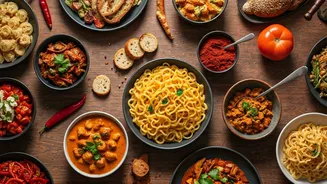




Indian Spice Symphony
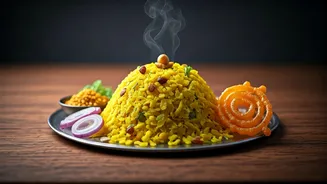
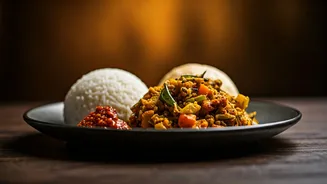
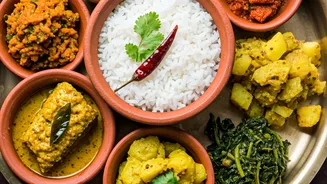
India's culinary tapestry is woven with an astonishing array of spices, each contributing to a complex and vibrant flavor profile. The country's food is deeply
influenced by its diverse geography and cultural history, resulting in regional specialties that range from the rich, creamy curries of the North to the lighter, coconut-infused dishes of the South. Think of the aromatic biryanis, the diverse lentil preparations known as dal, and the ubiquitous use of staples like rice and roti. The art of balancing sweet, sour, salty, and spicy notes is paramount, often achieved through meticulous tempering (tadka) of spices in hot oil. Vegetarianism is also a significant aspect, with an abundance of plant-based dishes that are both nutritious and incredibly flavorful, showcasing the versatility of pulses, vegetables, and grains.
Italian Comfort Classics
Italian cuisine is celebrated worldwide for its emphasis on fresh, high-quality ingredients and simple yet satisfying preparations. Pasta, in its myriad forms, is a cornerstone, often paired with rich tomato sauces, hearty meat ragus, or delicate seafood. Beyond pasta, the culinary landscape features iconic dishes like pizza, risotto, and a variety of antipasti. Regional variations are profound; for instance, the creamy risottos of Lombardy differ greatly from the olive oil-centric dishes of Puglia. The use of basil, garlic, tomatoes, and olive oil forms the aromatic base for many of its most beloved meals. Italian food often evokes a sense of family and togetherness, reflecting a culture that cherishes shared meals and convivial dining experiences.
Japanese Umami Delights
Japanese cuisine is characterized by its focus on seasonality, delicate flavors, and meticulous presentation. Sushi and sashimi, featuring expertly prepared raw fish, are perhaps its most globally recognized exports. However, the cuisine extends far beyond these, encompassing savory broths like ramen and udon, grilled dishes (yakitori), and fermented foods such as miso and soy sauce. The concept of 'umami,' the fifth taste, is central to many Japanese dishes, adding a profound depth of flavor. Emphasis is placed on preserving the natural taste of ingredients, often with minimal seasoning. The aesthetics of the meal are equally important, with each component carefully arranged to create a visually appealing and harmonious dining experience.
Mexican Fiesta Flavors
Mexican gastronomy is a vibrant fusion of indigenous traditions and Spanish influences, resulting in a cuisine celebrated for its bold flavors, colorful presentation, and diverse ingredients. Corn, chili peppers, beans, and tomatoes form the foundation of many dishes, from versatile tortillas to rich moles and zesty salsas. Street food is an integral part of the Mexican culinary scene, offering delights like tacos, tamales, and esquites that are both accessible and incredibly flavorful. Regional cuisines vary significantly, with the seafood-rich dishes of the coastal areas contrasting with the heartier, meat-focused specialties of the northern states. The interplay of spice, acidity, and earthy notes creates a complex and addictive taste experience that has captivated palates worldwide.