




Essential Gear Up
To kickstart your family's capsicum cultivation journey, gather a few key items. You'll need either seeds or young seedlings, with seedlings offering a quicker
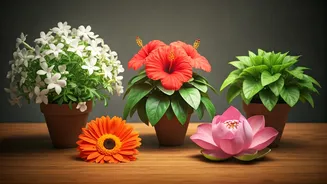
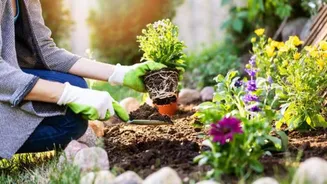
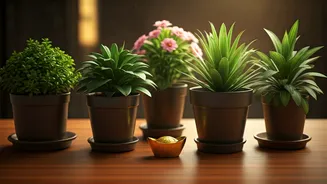
start while seeds provide the fascinating experience of watching them sprout. Select pots or containers that come equipped with drainage holes, crucial for preventing waterlogged soil and ensuring healthy root development. Opt for a light, well-draining potting mix. A watering can or spray bottle will be needed for gentle irrigation, preserving the soil structure. Don't forget plant markers; these offer a creative outlet for children to decorate with stickers or drawings, personalizing their gardening efforts. A significant part of the fun for kids lies in choosing the containers and adding their unique decorative touches to the markers, instilling a sense of ownership and pride from the very outset of the project.
Planting Seeds Safely
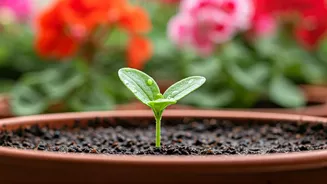
Begin the planting process by filling your chosen containers with soil, leaving about two centimeters of space at the top to prevent overflow when watering. Next, create small indentations in the soil, approximately one centimeter deep, where the seeds will be placed. Carefully put one seed into each hole and then gently cover them with a light layer of soil. A gentle misting with a spray bottle is the ideal way to water at this stage, ensuring the soil is lightly moistened without disturbing the seeds. Children can actively participate by counting the seeds, making the small holes in the soil, and helping with the delicate task of spraying water, offering them a tangible and enjoyable way to get their hands dirty and feel truly involved in the growth process.
Sunny Location Choice
Capsicum plants thrive in abundant sunlight, so it's essential to position your pots where they can receive a minimum of five to six hours of direct sun each day. This ideal spot could be on a sunny balcony, a terrace, or even a bright windowsill. Encourage your children to actively participate in finding the perfect sun-drenched location. They can assist in moving the pots and can be tasked with observing the plants daily, noting how they respond to the sunlight and observing their steady growth, reinforcing the connection between environmental conditions and plant development.
Nurturing Growth Routine
Consistent care is key to a healthy capsicum plant. Aim to maintain soil that is consistently moist but never saturated; avoid letting it become waterlogged. Regularly remove any fallen leaves or stray weeds to ensure the plant receives adequate nutrients and air circulation. For optimal health, feed the plants with a mild liquid fertilizer every two to three weeks. Assigning children a daily 'watering duty' can foster a sense of responsibility and routine. This consistent engagement with plant care not only reinforces their connection to the plant but also cultivates a sense of achievement as they witness its progress.
Witnessing Transformation
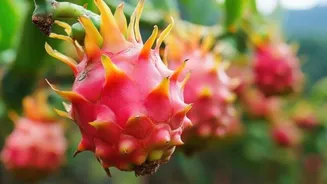
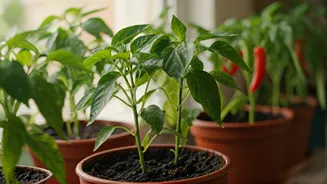
In the weeks following planting, anticipate the appearance of delicate small flowers, which are the precursors to fruit development. Soon after, tiny green capsicums will begin to form, gradually maturing into vibrant hues of red, yellow, or orange. This stage presents a wonderful opportunity for children to engage more deeply with the plant's progress. Encourage them to take measurements of the plant's height, count the developing flowers or fruits, or even capture its growth through photographs. This active tracking allows them to celebrate each small developmental milestone and fosters a deeper appreciation for the plant's journey.
The Joyful Harvest
The culmination of your efforts arrives when the capsicums are ready for harvesting. Select peppers that feel firm to the touch and have achieved their full, vibrant colour. To harvest, it's best to use scissors or garden shears to carefully snip the fruit from the plant, thereby avoiding any potential damage to the stems or leaves. Children can take immense pride in picking the peppers themselves. The sense of accomplishment in consuming food they have personally grown is unparalleled. Even post-harvest tasks, such as washing the peppers or assisting with simple cutting, can become enjoyable shared family activities, further solidifying the rewarding nature of homegrown produce.