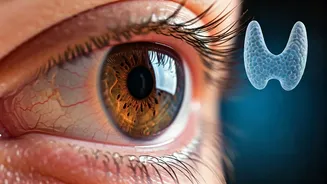

Thyroid's Impact on Eyes
The thyroid gland, positioned in the neck, produces hormones critical to regulating metabolism throughout the body. When the thyroid malfunctions, it can
trigger a range of health issues, with the eyes often becoming collateral damage. Thyroid disorders like Graves' disease and Hashimoto's thyroiditis are known culprits. Graves' disease, an autoimmune condition where the thyroid becomes overactive (hyperthyroidism), can cause eye problems known as thyroid eye disease (TED). Hashimoto's, on the other hand, is an autoimmune condition where the thyroid is underactive (hypothyroidism). Though less directly linked to eye problems than Graves', it can still indirectly affect vision through swelling or fluid retention around the eyes. Thus, whether the thyroid is overactive or underactive, the eyes can experience a ripple effect of detrimental consequences.
Common Eye Symptoms
Several telltale signs could indicate that a thyroid disorder is impacting your eyes. One of the most common issues is blurry vision, which can vary in severity. Eyes may also feel dry, gritty, and irritated. In some cases, individuals report increased sensitivity to light and double vision. More serious symptoms include the eyes bulging outwards (proptosis) or swelling around the eyes. In severe cases of thyroid eye disease, the muscles that control eye movement can become inflamed, leading to difficulty moving the eyes or, more seriously, optic nerve compression, which can threaten vision. Recognizing these symptoms early and consulting an eye doctor is key to prompt diagnosis and management of the underlying thyroid condition and its impact on your eyes.
The Importance of Exams
Regular eye check-ups are not just advisable; they are crucial for individuals with thyroid disorders. These examinations go beyond simply checking visual acuity. An ophthalmologist, a medical doctor specializing in eye care, can perform a comprehensive evaluation. This includes checking the pressure inside the eye (to rule out glaucoma), evaluating the retina and optic nerve for signs of damage, and assessing eye muscle function. The doctor will look for the specific eye changes associated with thyroid disorders, such as eye bulging, eyelid retraction, and inflammation. Early detection allows for timely treatment and can prevent or minimize long-term vision problems. The earlier the problem is identified, the better the chances of preserving healthy vision.
What Check-Ups Involve
During an eye examination, patients with thyroid disorders should anticipate a thorough assessment tailored to their condition. The ophthalmologist will start with a review of medical history, including thyroid diagnoses and treatments. Visual acuity is tested using an eye chart to evaluate how well you see at various distances. The doctor will examine the outer structures of the eye, such as the eyelids, cornea, and conjunctiva, looking for signs of inflammation or swelling. An intraocular pressure test determines the pressure inside your eye to rule out glaucoma. The doctor will likely dilate your pupils, allowing a more detailed examination of the retina and optic nerve, where thyroid-related damage can manifest. The doctor may also test eye movements to ensure proper muscle function and to check for double vision or restricted movement. Based on these findings, the ophthalmologist can make a diagnosis and create a treatment strategy.
Treatment & Management
The primary goal of treatment is to address both the underlying thyroid disorder and the specific eye issues. For hyperthyroidism, treatments like antithyroid medications, radioactive iodine, or surgery may be used to bring thyroid hormone levels to a normal range. In hypothyroidism, thyroid hormone replacement therapy is commonly prescribed. Simultaneously, management of eye problems varies depending on the severity. Mild cases may benefit from artificial tears, lubricating ointments, or wearing sunglasses to protect the eyes from dryness and light. More severe TED can be treated with corticosteroids to reduce inflammation. In certain situations, orbital decompression surgery, which increases space behind the eye, can be necessary to relieve pressure and protect the optic nerve. Each individual's treatment plan should be personalized under the guidance of both an endocrinologist (thyroid specialist) and an ophthalmologist, ensuring that both the cause and the symptoms are appropriately addressed.
Proactive Vision Protection
Individuals with thyroid disorders must adopt a proactive approach to vision protection. Regular eye check-ups, as discussed, are the cornerstone of this approach. Beyond check-ups, several lifestyle adjustments can help to minimize eye problems. Protecting your eyes from the sun with sunglasses can reduce light sensitivity. If your eyes are dry, use lubricating eye drops regularly, as directed by your ophthalmologist. It’s also important to avoid smoking, as it is a significant risk factor for TED. Staying hydrated supports general eye health. Maintaining regular communication with both your endocrinologist and ophthalmologist is crucial. Report any new or worsening eye symptoms promptly. By taking these steps and following your doctor's recommendations, individuals with thyroid disorders can safeguard their vision and enjoy a higher quality of life. This requires commitment, but it is an investment in your well-being.