





Why Tea Adulteration Matters
Tea, a beloved beverage worldwide, is unfortunately susceptible to adulteration. This deceptive practice involves adding substances to tea leaves that
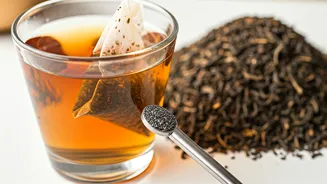
are not part of the genuine product. The primary motivations behind tea adulteration are typically economic – to increase profits by adding cheaper, sometimes even harmful, materials. This can include artificial coloring agents that enhance the appearance of tea leaves to make them seem fresher or of a higher grade than they actually are. In addition, adulteration can involve the inclusion of iron filings, a metallic contaminant, to add weight to the tea leaves. These practices not only compromise the quality and flavor of the tea but also pose potential health risks to consumers. Being aware of these risks underscores the importance of being informed about tea purity and knowing how to identify potentially adulterated products.
Testing for Artificial Colors
Detecting artificial colors in your tea is straightforward and can be done easily at home. The filter paper test is a simple method to determine if artificial dyes have been added to enhance the tea's appearance. To perform this test, you'll need a white filter paper and some hot water. Brew a small amount of tea, and once the tea is ready, drop a few drops of the tea brew onto the filter paper. Observe the results closely. If the tea is pure, it should leave a uniform stain on the paper. However, if artificial colors have been added, the stain will likely separate into distinct color bands or rings. This indicates that artificial coloring agents are present. This test provides a quick and preliminary indication of the tea's purity.
Iron Filings: Magnet Test
Another common adulterant is iron filings, often added to increase the weight of the tea leaves. Luckily, a simple magnet test can reveal their presence. You will need a strong magnet and a small quantity of tea leaves. Place the tea leaves on a clean, flat surface, and hold the magnet close to them. If iron filings are present, they will be attracted to the magnet, sticking to it. This test is a direct and effective way to identify the presence of metallic contaminants in your tea. Observing the magnet after the test will clearly show any iron particles adhering to its surface, indicating that the tea may have been adulterated. The more filings that stick to the magnet, the more adulterated your tea might be.
Understanding Test Results
The results of these tests offer important insights into your tea's purity. A positive result in the filter paper test, meaning the appearance of color separation, suggests the presence of artificial dyes. This could indicate the tea leaves are of lower quality or have been treated to deceive consumers about their freshness or grade. Similarly, if the magnet attracts iron filings, it signifies the tea has been adulterated with metallic particles. This suggests a potential contamination of the tea. Understanding the meaning behind these outcomes allows you to make informed decisions about the tea you consume. It empowers you to choose teas more carefully and prioritize the quality and safety of your beverages, safeguarding your health and taste experience.
Packaging and Price Cues
When purchasing tea, packaging and price points can offer clues about its quality. Opting for tea that is packaged in airtight, opaque containers can help protect the leaves from light, moisture, and air, all of which can degrade the tea over time. These packaging types ensure the preservation of flavor and freshness. In addition, the price of tea can sometimes be a telling factor. Be wary of teas that are significantly cheaper than other comparable products. Extremely low prices might indicate the use of lower-quality leaves or the possibility of adulteration to reduce costs. It is important to note that a higher price doesn't always guarantee superior quality, but it's essential to consider the price in the context of other factors, such as brand reputation and packaging.
Proper Tea Storage
Proper storage is essential to maintain the quality and flavor of your tea after purchase. Tea leaves should be stored in an airtight container to prevent exposure to air, light, moisture, and strong odors, all of which can affect their flavor and aroma. Ideally, store your tea in a cool, dark place away from direct sunlight, such as a pantry or a cupboard. Exposure to light can degrade the tea's quality and lead to flavor loss. Additionally, avoid storing tea near spices or other strongly scented items, as tea can easily absorb surrounding odors. Following these storage practices will help retain the tea's freshness and enable you to fully enjoy its flavor profile for a longer time.
Limitations and Scope
It is important to understand the limitations of these home tests. While the filter paper and magnet tests are useful for detecting specific adulterants like artificial colors and iron filings, they are not a comprehensive measure of tea quality or purity. These tests don't reveal the presence of all possible contaminants or assess factors like pesticide residues, origin, or grading. They should be considered as a preliminary assessment rather than a definitive quality check. These tests provide consumers with a way to identify potential issues and guide purchasing decisions, but cannot substitute for more sophisticated laboratory analysis performed by tea quality experts. For a more complete understanding of tea quality, it is still advisable to consider other factors like the tea's origin, brand reputation, and consumer reviews.