





A New Sartorial Voice
For a considerable period, men's fashion in India often felt constrained by a sense of obligation rather than personal flair. Traditional attire like the sherwani
was frequently worn as a cultural duty rather than an act of self-expression, and everyday wear tended towards the predictably safe and uninspired. Style was, at best, functional and, at worst, overlooked. However, a palpable transformation has occurred. Today's Indian man is no longer seeking validation for his fashion choices; instead, he is making them with bold confidence. This evolution is marked by a willingness to experiment with textures, layers, and styles that are both personal and, at times, deliberately contradictory. The emphasis has shifted from mere conformity to a dynamic expression of individuality, moving menswear from the periphery to a central stage of cultural dialogue.
The Hybrid Style Revolution
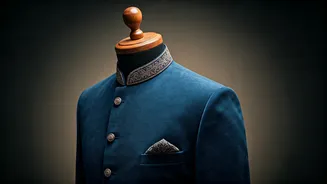
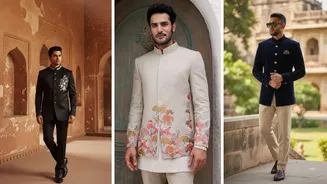
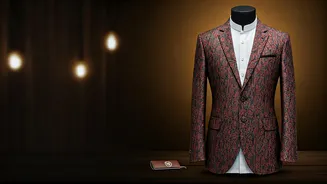
The contemporary Indian man embodies a new fluidity in his approach to dressing, creating unique stylistic hybrids that defy categorization. This is evident in the unexpected pairings, such as teaming a traditionally crafted bandhgala jacket with modern sneakers, or integrating heirloom jewelry, like a grandmother's brooch, into everyday ensembles. The kurta is now reinterpreted as contemporary streetwear, while denim is approached with a sense of mindful ritual. This embrace of fluidity extends beyond mere garments; it dissolves traditional gender boundaries and occasion-specific dress codes. What was once confined to specific events now permeates daily life, making "Indian" not a restrictive category but an expansive canvas for creative expression. This approach signifies a luxurious freedom, where personal comfort and aesthetic exploration take precedence over rigid rules.
Craft Reimagined for Tomorrow
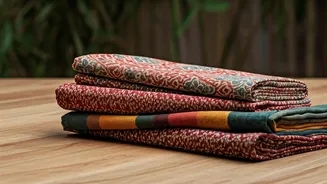
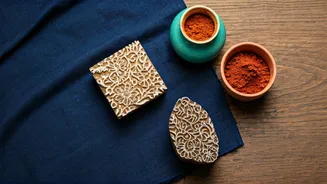
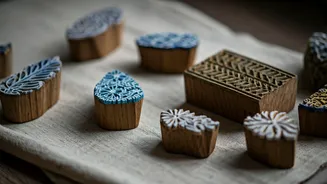
The resurgence of indigenous crafts in contemporary Indian menswear is not a mere return to heritage but a forward-looking reinvention. Labels are emerging that champion natural dyes, irregular weaves, and silhouettes that possess a dual quality: they feel both archival in their roots and disruptive in their modern application. This new aesthetic language is being fluently adopted by a generation that possesses a deep appreciation for traditional artistry, nurtured by exposure to global digital trends and family heirlooms. They are adept at drawing inspiration from diverse sources, whether it's the intricate patterns found in their ancestors' trunks or the curated visual narratives found on social media. This fusion allows for the creation of fashion that is deeply personal, culturally resonant, and undeniably modern, moving beyond the confines of historical preservation into active innovation.
From Mimicry to Identity Reclamation
The current wave of sartorial innovation stands in contrast to a period of aesthetic mimicry that followed India's economic liberalization in the 1990s. During that era, Western fashion, particularly the suit, became a symbol of global aspiration, leading to a diminished role for Indian textiles, often relegated to ceremonial wear. This rush to adopt international trends inadvertently stifled individual expression, making the Indian man cautious and reluctant to stand out. The recent shift is driven by several factors: growing economic confidence, allowing a generation to both consume and contribute to global culture; widespread digital connectivity, which fosters visual literacy comparable to international fashion hubs; and, most significantly, a profound reawakening of identity. This hunger to reclaim cultural heritage, free from the weight of nostalgia, is fueling a desire to express oneself authentically through style, moving away from the past's subdued approach.
Beyond Stereotypes, Embracing Nuance
Indian men have historically been subjected to narrow stereotypes in global fashion perceptions – from the ubiquitous tech professional in casual wear to the groom adorned in excessive ornamentation, or the serene spiritual figure in minimalist white. The reality, however, is far more intricate and dynamic. Today's Indian man navigates style with an editorial eye, demonstrating a keen understanding of silhouette, proportion, and narrative. He is equally at ease in the draped elegance of an angarkha as he is in the sharp lines of deconstructed tailoring. Crucially, his motivation for dressing has evolved; it's no longer about seeking external approval but about personal fulfillment and, occasionally, engaging with the digital landscape. This shift signifies a move towards self-assuredness and a nuanced appreciation of diverse styles, reflecting a complex and evolving identity.
Icons of Influence and Discourse
The influence of role models, both overt and subtle, has significantly contributed to this sartorial renaissance. When public figures, including political leaders, have their fashion choices, such as specific kurta styles or color palettes, dissected and discussed, it elevates menswear beyond the frivolous into the realm of public discourse. Clothing is no longer perceived as merely decorative but as a potent form of communication, conveying messages of power, accessibility, and intent. Beyond prominent personalities, cultural innovators like stylists, designers, and young entrepreneurs are quietly rewriting fashion codes from within. Their work, often characterized by a deliberate eschewing of polished perfection in favor of authentic process and artistic exploration, provides compelling examples of this new aesthetic. These figures champion a thoughtful and often intellectual approach to fashion, demonstrating its capacity for deeper meaning.
A Body, Reclaimed and Styled
The very perception of the Indian male body within fashion is undergoing a significant reevaluation. The focus has shifted from forcing the body to conform to pre-defined garment shapes to allowing clothing to adapt and express the body's natural form, evolving moods, and multifaceted identities. The adoption of oversized silhouettes, for instance, is not seen as carelessness but as a deliberate stylistic choice conveying intentionality. Similarly, jewelry is no longer merely ornamental but serves as a declarative statement of personal style and individuality. The skin itself is not something to be concealed but is often intentionally styled and incorporated as part of the overall aesthetic. This evolving relationship with the body and clothing fosters a sense of liberation and self-acceptance, allowing men to experiment freely and authentically.
Joy, Play, and Remix Culture
Perhaps one of the most profound shifts in Indian menswear is the reintroduction of enjoyment and playfulness into the act of dressing. Fashion is now approached with a sense of humor and experimentation, transforming getting dressed from an act of conformity into an opportunity for storytelling. This is visible in the burgeoning thrift culture, the artful layering of high-end and casual pieces, and the irreverent yet respectful remixing of traditional elements. Instead of discarding heritage, it is being reinterpreted and integrated into contemporary wardrobes. This evolution signifies that the Indian man is no longer a passive recipient of trends but an active curator of his personal style, demonstrating a newfound confidence and willingness to embrace fashion as a dynamic and expressive medium.