
Childhood's Flavor Experiments
Actress Rashmika Mandanna reminisces about her childhood days, where she was recognized for her unique and unconventional approaches to food. Her father
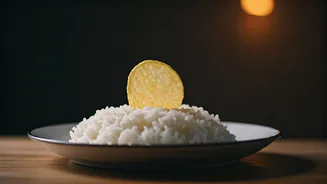
often playfully acknowledged her 'talent' for inventive food mixing, highlighting instances like enjoying Lays potato chips with curd rice or even with instant noodles. While today Mandanna adheres to a disciplined diet for her professional commitments, her inherent curiosity for flavor and texture combinations continues to add an exciting dimension to her culinary experiences. This early exploration into pairing disparate tastes and textures laid the groundwork for a palate that embraces the unexpected, showcasing a playful approach to food that started in her formative years.
The Science of Taste Synergy
The perception of taste is far more intricate than a simple sensation; it's a sophisticated interplay between the taste receptors on our tongue and the olfactory signals detected by our nose. This complex mechanism allows for surprising flavor synergies when certain foods are combined. For example, the sharp saltiness of French fries can remarkably amplify the inherent sweetness of a milkshake, leading to a more layered and intriguing taste profile that surprises and delights the senses. This phenomenon underscores the intricate connection between science, psychology, and our individual cultural backgrounds in shaping how we experience and appreciate food combinations.
Nostalgia and Comfort Food
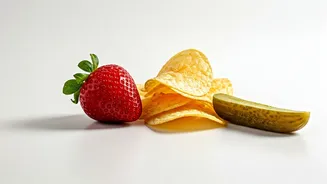
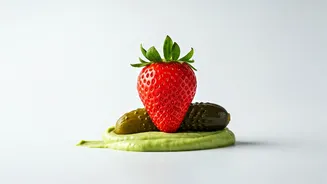
Our inclinations towards particular, even unusual, food pairings are often deeply rooted in our past experiences and the memories associated with them. If a peculiar combination, like peanut butter and pickle sandwiches, was a source of enjoyment during childhood, the familiarity of that taste can evoke positive recollections and a sense of comfort. This psychological association can foster a craving for these unexpected yet familiar pairings. Mandanna's preference for items like spicy noodles or curd rice with potato chips might be a reflection of these childhood memories, where such combinations provided a sense of familiarity and warmth, creating an enduring appeal.
Personality and Palate
An individual's personality significantly influences their willingness to explore and embrace unconventional food combinations. Those who possess an adventurous spirit and are open to new experiences often find the novelty and excitement of trying unusual food pairings highly appealing. The element of surprise and the exploration of uncharted flavor territories resonate with their outgoing nature. Conversely, individuals who favor routine and predictability may find the prospect of strange food pairings less appealing, preferring the assurance of familiar tastes and established culinary norms. This innate disposition plays a crucial role in shaping our culinary adventures.
Cultural Definitions of 'Weird'
The very definition of what constitutes a 'weird' or unappealing food combination is largely determined by cultural norms and exposure. What might strike one individual as strange or even off-putting can be an integral and cherished part of another culture's traditional cuisine. A prime example is the Durian fruit, notorious for its pungent aroma, yet highly prized as a delicacy in various Southeast Asian countries. Engaging with diverse culinary traditions can broaden our palates and foster a greater openness to experimenting with new and unconventional tastes, thereby expanding our understanding of global gastronomy.