
Pots vs. Planters
Understanding the fundamental differences between pots and planters is the first step toward effective gardening. Pots are typically defined as containers
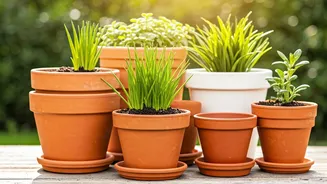
with a drainage hole, designed for a single plant. They are usually portable, allowing for easy movement and repotting. Planters, on the other hand, often lack drainage holes and are larger, intended for multiple plants or for permanent placement. They're often built-in or significantly more difficult to move. This distinction is crucial because the presence or absence of drainage directly affects how you manage water for your plants. The choice between a pot and a planter depends significantly on the size of your space, the type of plants you are cultivating, and your desired level of mobility for the plants. Considering these elements helps gardeners make decisions that support healthy plant growth and make maintenance more manageable.
Types of Pots
Various types of pots serve different purposes in gardening. Nursery pots are commonly used, especially for starting plants; they are usually made of plastic and feature drainage holes. These pots are economical and functional, and plants can easily be transplanted from them. Grow pots are another option, often made of breathable materials like terracotta or fabric. These materials assist in aeration, thus promoting better root development. Cache pots, on the other hand, serve a decorative function. They typically do not have drainage holes and are used to house nursery pots, covering the utilitarian appearance of the latter and enabling plant display indoors. The different varieties of pots offer various benefits; selecting the appropriate pots helps gardeners to successfully manage their plants' requirements, from starting seeds to stylish indoor arrangements.
Making the Right Choice
When choosing between a pot and a planter, consider several factors to ensure you select the appropriate container for your plants' needs. Determine how many plants you intend to grow in the container. Pots are generally better suited for individual plants, while planters can hold several plants. Take into account the drainage requirements; pots with drainage holes provide better water management, while planters often necessitate careful watering practices to prevent root rot. Also, consider the desired aesthetic of your garden. Pots provide flexibility in design and layout, allowing easy rearrangement, whereas planters offer a more permanent and integrated design element. Evaluating these aspects will assist you in selecting the most fitting containers that support healthy plant development and complement your gardening style.