



Ram Navami's Divine Significance
Ram Navami, a festival deeply revered in Hinduism, commemorates the divine birth of Lord Rama. It falls on the ninth and concluding day of Chaitra Navratri,
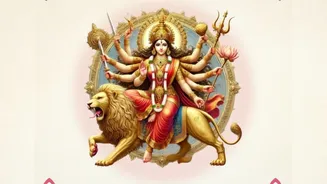
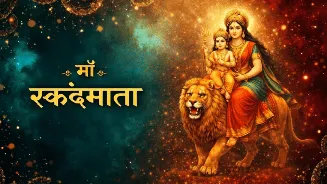
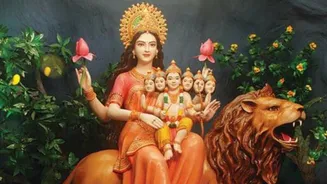
a period of nine nights dedicated to Goddess Durga. This sacred day also pays homage to Goddess Siddhidatri, the ninth and most powerful manifestation of Goddess Durga. The celebration is observed on the Navami Tithi during the Shukla Paksha (waxing moon phase) of the Chaitra month. Devotees typically mark this occasion by visiting temples, engaging in fervent prayer, and participating in special ceremonies designed to honor Lord Rama's auspicious arrival. The timing of this festival is determined by the lunar calendar, making its observation a precise celestial event for the faithful.
Navigating Ram Navami 2026 Dates
Determining the exact date for Ram Navami in 2026 requires a careful look at lunar timings. The Navami Tithi of the Shukla Paksha in Chaitra commences on March 26, 2026, at 11:46 AM. Consequently, Ram Navami will be observed on Thursday, March 26, 2026. However, due to the concept of Udaya Tithi, which considers the lunar date prevalent at sunrise, the Navami Tithi extends into March 27, 2026. This overlap means that auspicious worship timings are also observed on the following day, Friday, March 27, 2026, providing devotees with extended opportunities for devotion. The Madhyahna Muhurat, the most auspicious time for midday worship, is from 11:15 AM to 01:43 PM on March 26th, and from 11:14 AM to 01:43 PM on March 27th, with the precise Madhyahna Moment occurring at 12:29 PM and 12:28 PM respectively. The Navami Tithi begins at 11:48 AM on March 26th and concludes at 10:06 AM on March 27th.
Fasting and Culinary Traditions
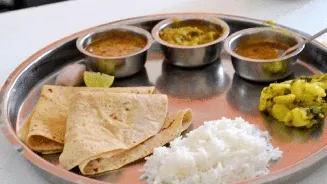
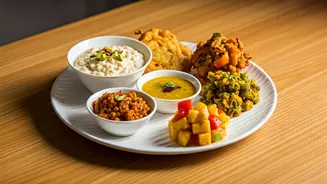
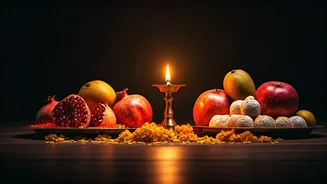
Ram Navami is a time when many devotees embrace fasting as a form of devotion and spiritual purification. The nature of the fast can vary; some devotees break their fast at noon, while others consume only a single meal throughout the day. A few may choose to observe a complete fast. During these periods of abstinence, the diet typically consists of fruits, dairy products like milk and curd, and simple meals prepared without the use of onion, garlic, or pungent spices. Rock salt, known as 'sendha namak,' is often used in place of regular table salt. Furthermore, on the ninth and final day of Chaitra Navratri, households often perform Kanjak Puja, a ritual honoring young girls, for which special, traditional dishes are lovingly prepared.
Five Classic Ram Navami Recipes
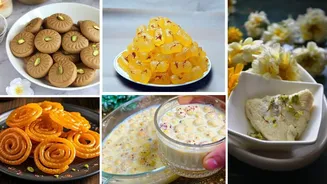
To celebrate Ram Navami, several traditional dishes are prepared with devotion and shared among family and friends. Among the most cherished are Kale Chane, a simple yet flavorful preparation of boiled black chickpeas seasoned with mild spices and rock salt, often served as prasad during Kanjak Puja. Another beloved sweet is Sooji Halwa, a comforting dessert made from semolina, ghee, sugar, and nuts, offered as a sweet tribute. Poori, fluffy deep-fried bread crafted from wheat flour, is a staple, commonly paired with Kale Chane. For a creamy delight, Kheer, a rice pudding simmered in milk with sugar and cardamom, is frequently prepared as an offering to Lord Rama. Lastly, Dahi Bhalla, soft dumplings made from lentil batter, are soaked in fresh yogurt and lightly seasoned, always prepared without onion or garlic, adhering to the festival's dietary guidelines.