
The Wholesome Foundation
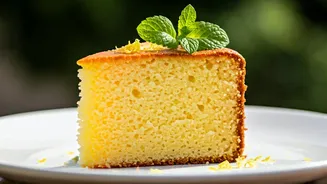
This delightful lemon cake champions health without sacrificing taste, relying on a clever blend of nutrient-rich flours and moistening agents. Instead
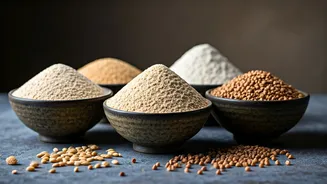
of traditional refined flour, almond flour and oat flour form the base, providing a wonderfully tender and slightly nutty texture, while also offering beneficial fats and fiber. The moisture is expertly managed through the use of plain Greek yogurt, which contributes a creamy richness and protein, and a modest amount of olive oil, lending a tender crumb that prevents any hint of dryness. This combination not only elevates the cake's nutritional profile but also ensures a consistently moist and satisfying bake, making it a smart choice for those seeking a lighter dessert option that still feels utterly decadent and celebratory.
Mastering the Lemon's Zest
The true star of this cake is its abundant lemon flavor, achieved through both zest and juice. Using the zest of a whole lemon introduces concentrated citrus oils, infusing every bite with a bright, aromatic punch that is truly invigorating. While ample zest is encouraged, precision is key when it comes to the lemon juice; a maximum of 3 tablespoons is recommended. Exceeding this amount can alter the batter's consistency, potentially making it too thin and compromising the final texture and rise of the cake. Carefully measuring ensures the perfect balance, allowing the vibrant lemon essence to shine through without overwhelming the delicate structure of the cake, a crucial step for achieving that bakery-quality taste at home.
The Baking Vessel Matters
A surprising yet critical detail in achieving the perfect healthy lemon cake lies in the choice of baking pan. Early tests revealed that metal pans can react unfavorably with the acidic lemon ingredients, leading to an overly bubbly and potentially uneven batter during baking. To circumvent this common pitfall and ensure a consistently beautiful rise and texture, the recipe strongly advocates for the use of a ceramic baking dish. Ceramic pans promote more even heat distribution, which is vital for a cake with a delicate crumb. This thoughtful selection of cookware contributes significantly to the cake's uniform golden-brown crust and its wonderfully tender, well-baked interior, making it a simple yet impactful adjustment for superior results.
Precision in Flour and Eggs
Achieving the ideal fluffy texture in this health-conscious cake hinges on specific ingredient handling. When measuring the almond flour, it's essential to pack it firmly into the cup; merely spooning and leveling can lead to a batter that is too thin and results in a sunken cake. This dense packing ensures the correct ratio of flour to wet ingredients, promoting a proper rise and a light, airy crumb. Furthermore, the recipe calls for precisely 3 large eggs. These are not interchangeable as they provide crucial structure and lift, especially when working with gluten-free flours. Deviating from this quantity can negatively impact the cake's integrity, so adhering to this number is paramount for success.
Effortless Assembly and Frosting
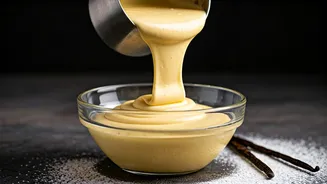
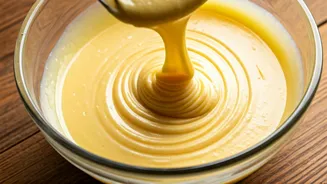
The creation of this delightful lemon cake is designed for simplicity, streamlining the baking process into manageable steps. Begin by combining all your dry ingredients in a bowl, followed by the addition of the wet components. A thorough whisking brings everything together into a smooth, pourable batter with a slightly thick consistency. Once baked to a beautiful golden hue, allow the cake to cool completely before indulging in the decadent, sugar-free lemon cream cheese frosting. This frosting, made while the cake bakes, adds an extra layer of tangy sweetness, completing the dessert with a flourish that feels both indulgent and wholesome, making it a truly satisfying treat.