





The TikTok Scarf Trick
A recent trend on TikTok has proposed a novel method for achieving sleep on airplanes without the need for a traditional neck pillow. This approach involves
strategically tucking a scarf into the gap between one's headrest and seat, then tying it beneath the chin. The purported benefit is to prevent the head from bobbing forward during the flight, thereby aiding in more comfortable rest. While seemingly innovative and a potential solution for travelers who dislike carrying extra accessories, its actual efficacy and safety are subject to scrutiny by sleep health professionals. The idea stems from the common struggle of head-bobbing during flights, which disrupts sleep and can lead to discomfort if a neck pillow is unavailable or inconvenient to use. This method aims to provide a simple, accessible alternative for catching some Zs at altitude.
Expert Sleep Insights
Sleep medicine physicians offer a critical perspective on the viral scarf hack, characterizing it more as a restraint than a genuine support system. While not inherently dangerous for the average traveler, this method can pose risks for individuals with pre-existing conditions. The primary concern is that the hack forces the neck into a static, potentially awkward position, as gravity still pulls the head forward and the neck muscles must bear the brunt of the stabilizing work. This prolonged, unnatural posture can exacerbate chronic neck or back pain and increase the likelihood of muscle strain for those particularly sensitive to such discomfort. The hack doesn't actively support the spine's natural alignment, leaving the user vulnerable to stiffness and pain upon arrival.
Prioritizing Spinal Neutrality
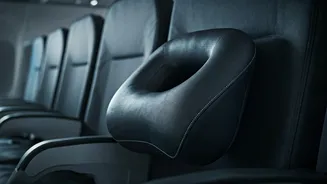
To achieve truly restful sleep on flights, experts strongly advocate for travel pillows designed to maintain a neutral spine alignment. These pillows are engineered to reduce the muscular effort required to keep the head upright, allowing the neck muscles to relax. The goal is to prevent unnatural bending or tilting, which leads to fatigue and pain. Beyond the pillow itself, small adjustments to seating posture can significantly enhance comfort. Ensuring your hips are fully back against the seat provides crucial spinal support, preventing slouching. This foundation helps distribute weight evenly and supports the natural curvature of the spine, creating a more stable and comfortable environment for sleep, even in a confined airplane seat.
Recommended Pillow Features
When selecting a travel pillow, prioritize features that actively promote spinal neutrality and reduce muscle strain. High-density memory foam offers superior cushioning and support, conforming to your neck's unique shape. Look for pillows with structured side support to prevent side head drops and integrated straps or closures that help stabilize the head, significantly minimizing the 'bobblehead' effect. These elements work together to provide consistent support, lessening the fatigue that often results from long journeys. While no single pillow is universally perfect, those incorporating these design elements offer more reliable and sustained comfort, contributing to a more rejuvenating travel experience.