



Northern States Unveiled
Northern India is a region of striking contrasts, from the majestic Himalayas to the fertile plains. States like Gujarat boast a rich maritime history
and vibrant textile traditions, evident in their colorful attire and bustling marketplaces. Punjab, the land of five rivers, is renowned for its agricultural bounty and warm hospitality, with its iconic bhangra music and hearty cuisine reflecting its energetic spirit. Uttar Pradesh, a cradle of ancient civilizations, is home to legendary historical sites and a profound spiritual heritage, attracting pilgrims and historians alike. Rajasthan, the 'Land of Kings,' captivates with its grand forts, opulent palaces, and the stark beauty of its desert landscapes, where tales of valor and chivalry echo through the ages. Haryana, situated in the northern plains, is an agricultural hub with a growing industrial presence, contributing significantly to India's economy while preserving its rural charm and traditional folk arts. Gujarat's coastline has historically been a vital center for trade and commerce, influencing its distinct architecture and cosmopolitan cities. Punjab's commitment to agriculture is a cornerstone of its identity, fostering a strong sense of community and a celebration of life through its festivals and agricultural practices. Uttar Pradesh's significance extends to its role as a cultural melting pot, blending various traditions and languages, and its historical monuments serve as testaments to its enduring legacy.
Eastern & Northeastern Gems
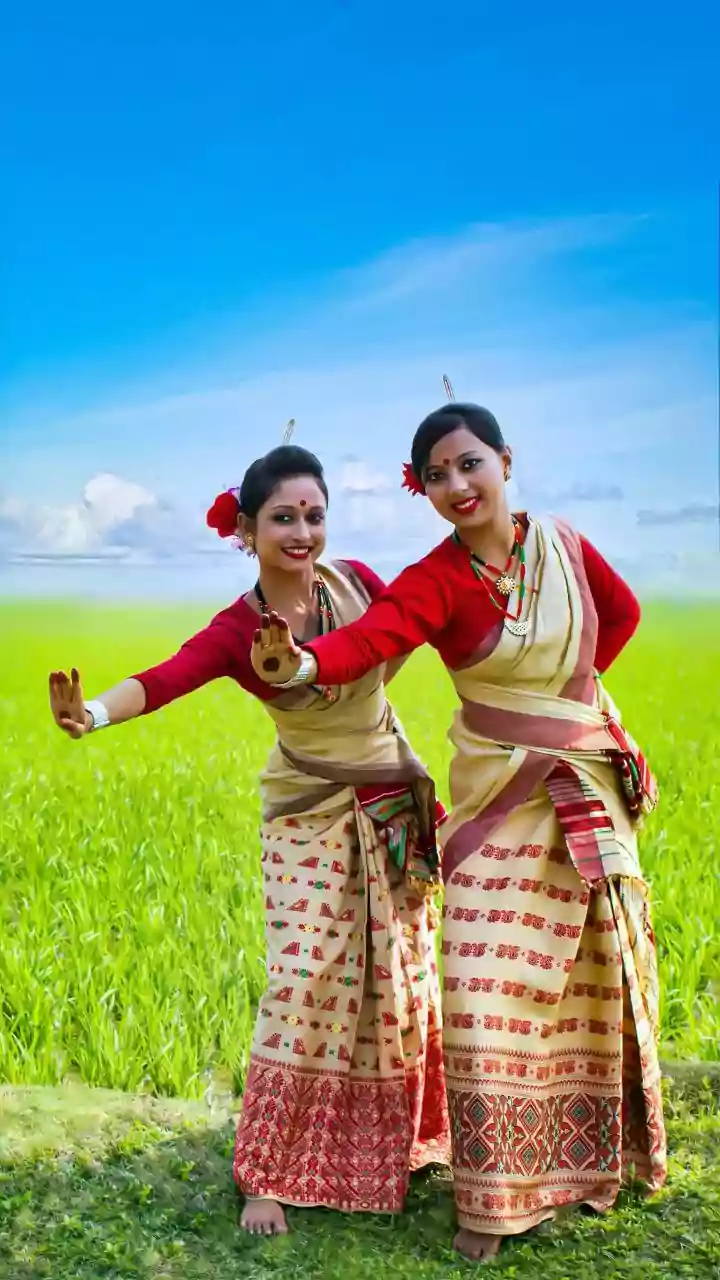
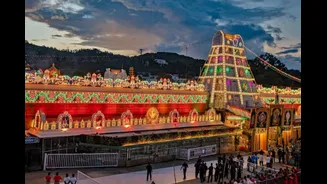
The eastern and northeastern parts of India offer a captivating blend of natural beauty and distinct cultural heritages. West Bengal, known for its intellectual and artistic fervor, is the birthplace of many great thinkers and artists, its cultural landscape shaped by a rich literary tradition and a passion for Durga Puja celebrations. Tripura, nestled in the northeastern hills, is characterized by its indigenous tribal communities, each with unique customs and traditions, and its serene natural beauty, including lush forests and pristine lakes. Andhra Pradesh, situated on the country's southeastern coast, is celebrated for its ancient temples, vibrant dance forms, and a culinary tradition renowned for its spicy flavors. Tamil Nadu, in the southern tip of the subcontinent, is a land of ancient Dravidian culture, its identity deeply rooted in its magnificent temples, classical music and dance, and the Tamil language, which boasts a literary history spanning millennia. Orissa, an eastern state, is famous for its intricate temple architecture, particularly the Sun Temple at Konark, and its vibrant folk art forms and classical Odissi dance. The northeastern states, in general, are a mosaic of diverse tribal cultures, each with their own languages, rituals, and ecological adaptations, contributing to India's incredible diversity. Andhra Pradesh's spiritual significance is palpable in its numerous pilgrimage sites, drawing devotees from across the nation and beyond.
Southern Serenity and Culture
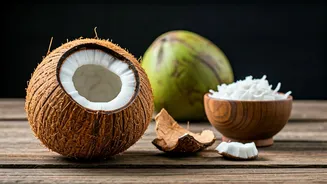
Southern India is a region of lush greenery, ancient traditions, and distinct cultural identities. Kerala, known as 'God's Own Country,' enchants visitors with its tranquil backwaters, spice plantations, and the vibrant art form of Kathakali. Tamil Nadu, a bastion of Dravidian heritage, is home to some of the most architecturally stunning temples in India, such as the Meenakshi Temple in Madurai, and boasts a rich literary and artistic legacy. Karnataka, in the heart of the Deccan plateau, is a confluence of historical grandeur and modern innovation, featuring UNESCO World Heritage sites like Hampi and a thriving IT industry. Telangana, a relatively new state, is rapidly emerging as a hub for technology and culture, drawing from its Nizami past and its vibrant contemporary arts scene. Andhra Pradesh, with its extensive coastline, is dotted with ancient pilgrimage sites and renowned for its delicious cuisine, particularly its spicy dishes. The cultural fabric of these southern states is deeply interwoven with classical arts, music, and dance forms that have been preserved and passed down through generations, offering a glimpse into India's profound artistic heritage. Kerala's unique geographical position has also influenced its distinct cuisine, heavily featuring coconut and rice. Karnataka's historical sites, like Mysore Palace, showcase a royal past that continues to influence its present.
Western Frontiers Explored
The western region of India presents a dynamic landscape, from the arid expanses of Rajasthan to the coastal vibrancy of Maharashtra and Gujarat. Rajasthan, the 'Land of Kings,' offers a majestic spectacle of sprawling desert forts like Amer and Jaisalmer, opulent palaces, and vibrant folk traditions that speak of a glorious past. Maharashtra, a powerhouse of industry and culture, is home to the bustling metropolis of Mumbai, India's financial capital, alongside historical sites like the Ajanta and Ellora caves, showcasing exquisite rock-cut architecture. Gujarat, with its long coastline, has been a historical trading nexus, influencing its cosmopolitan cities, rich textile heritage, and distinctive vegetarian cuisine; it is also the birthplace of Mahatma Gandhi. Madhya Pradesh, located in the central part of the country, is often referred to as the 'Heart of India' and is rich in historical monuments, wildlife sanctuaries, and ancient rock art sites. Chhattisgarh, a newer state formed in 2000, is known for its tribal heritage, abundant mineral resources, and a landscape dominated by forests and waterfalls. The cultural diversity within these western and central states is immense, with each region possessing its own unique dialects, festivals, and culinary specialties, contributing to the grand mosaic of India. Gujarat's commitment to the arts, particularly in embroidery and bandhani, is world-renowned.
Central India's Richness
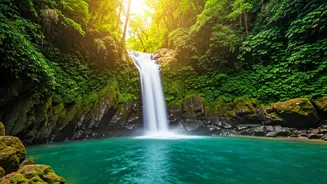
Central India, often described as the heartland of the country, is a region characterized by its historical depth and natural abundance. Madhya Pradesh stands out with its numerous historical sites, including the UNESCO World Heritage city of Orchha, the ancient Buddhist stupas of Sanchi, and the rock shelters of Bhimbetka, which contain some of the earliest evidence of human life in India. This state also boasts a significant portion of India's tiger population within its renowned national parks like Bandhavgarh and Kanha. Chhattisgarh, carved out of Madhya Pradesh, is a land rich in tribal culture and natural resources, with vast forested areas, numerous waterfalls, and a significant number of indigenous communities who maintain their unique traditions and art forms. The state's Bastar region is particularly famous for its distinctive tribal crafts and festivals. Both states contribute significantly to India's understanding of its ancient past, with archaeological finds and historical narratives offering profound insights into the evolution of Indian civilization. The geological formations in Madhya Pradesh, such as the Vindhya and Satpura ranges, add to its diverse topography. Chhattisgarh's development is increasingly focused on leveraging its natural resources sustainably while preserving its rich cultural heritage.